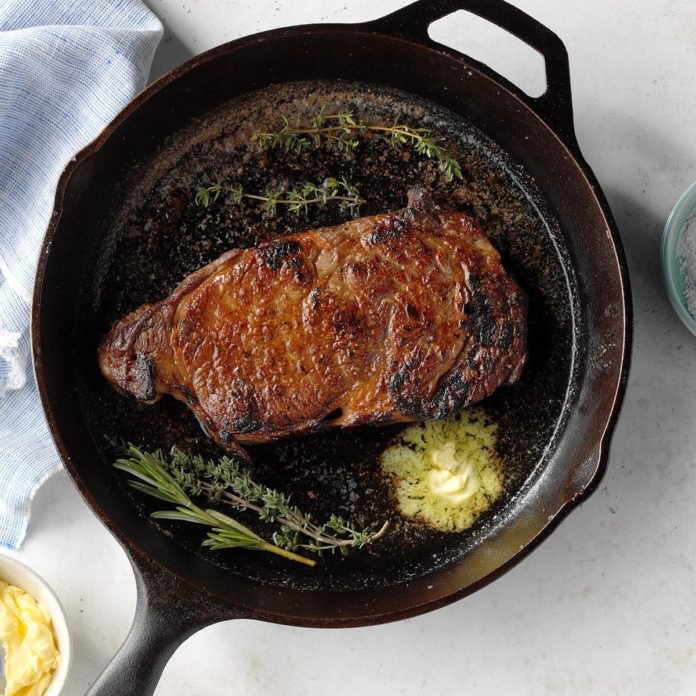
Navigating the Forge: A Comprehensive Guide to Acquiring Your Ideal Cast Iron Skillet
Understanding the Culinary Workhorse
The cast iron skillet, a culinary stalwart, stands as a testament to enduring craftsmanship and versatile functionality. Its ability to retain heat and distribute it evenly makes it indispensable for searing, frying, baking, and even simmering. However, venturing into the realm of cast iron can be daunting for the uninitiated. This guide aims to demystify the process, providing a structured approach to selecting the perfect skillet for your culinary endeavors. Think of it as choosing a reliable companion for your kitchen adventures, one that will age gracefully alongside your culinary skills.
Before you even consider brands or sizes, understand that cast iron is not just a pan; it's a legacy. It's the kind of pan you can pass down through generations, each use adding a layer of seasoned history. The weight alone speaks to its durability. So, when you're holding one, remember you're holding a piece of culinary heritage. It's a bit like adopting a very sturdy, very hot, and very useful pet.
The selection process begins with an assessment of your cooking habits. Are you a frequent searer of steaks, a baker of cornbread, or a simple breakfast enthusiast? Your needs will dictate the size and style of skillet you require. A smaller skillet might suffice for individual servings, while a larger one is essential for family meals. It's like choosing the right tool for the job – you wouldn't use a hammer to paint a wall, would you?
Furthermore, consider the pre-seasoning. Many modern cast iron skillets come pre-seasoned, a significant advantage for those eager to start cooking immediately. However, some purists prefer to season their skillets themselves, a process that involves baking layers of oil onto the surface. This creates a non-stick patina that improves with age. Either way, ensure the skillet is free from cracks or rough spots, as these can affect its performance and longevity. It's a bit like checking the tires before a long road trip – you want to ensure a smooth journey.
Size Matters: Selecting the Right Dimensions for Your Culinary Needs
Matching Skillet Size to Your Cooking Style
The size of your cast iron skillet is paramount. A 10-inch skillet is often considered a versatile starting point, suitable for most everyday cooking tasks. However, if you regularly cook for larger groups, a 12-inch or even a 15-inch skillet may be more appropriate. Conversely, an 8-inch skillet is ideal for smaller households or individual servings. Think of it as choosing the right size stage for your culinary performance.
Consider the dimensions of your stovetop as well. A skillet that is too large may not heat evenly, resulting in uneven cooking. Additionally, ensure the skillet fits comfortably in your oven if you plan to use it for baking. The last thing you want is a skillet that overhangs your burners, creating hot spots and uneven cooking. It's like trying to fit a square peg in a round hole – it just won't work.
The depth of the skillet also plays a role. Deeper skillets are better suited for braising and frying, while shallower skillets are ideal for searing and baking. Consider whether you need a skillet with high sides for containing liquids or a shallower one for easy flipping and turning. It's like choosing the right container for your ingredients – you need something that can hold everything without spilling.
Ultimately, the best size is the one that aligns with your cooking habits and household size. It's a personal decision, much like choosing the right pair of shoes. You need something that fits comfortably and allows you to move freely. Consider if you want to make a single pancake or a whole stack, your size decision will impact your cooking experience.
Pre-Seasoned vs. Raw: Understanding the Surface of Your Skillet
Deciphering the Surface Treatment
The surface of a cast iron skillet is crucial to its performance. Pre-seasoned skillets offer the convenience of immediate use, while raw skillets allow for a personalized seasoning process. Pre-seasoned skillets typically come with a factory-applied seasoning, which may not always be of the highest quality. Raw skillets, on the other hand, require you to build up the seasoning yourself, a process that can take time but results in a superior, more durable surface. It's a bit like choosing between a pre-built house and building your own – one is faster, the other allows for customization.
For those new to cast iron, a pre-seasoned skillet is often recommended. It provides a good starting point and allows you to learn the basics of cast iron cooking without the added complexity of seasoning. However, be prepared to re-season the skillet periodically to maintain its non-stick properties. Over time, and with proper care, the factory seasoning will improve, and you may find it becomes your favorite. It's like breaking in a new pair of leather boots – they get better with age.
If you opt for a raw skillet, be prepared for the seasoning process. This involves applying thin layers of oil to the skillet and baking it at high temperatures. The process needs to be repeated several times to create a durable, non-stick surface. While time-consuming, it allows you to control the quality of the seasoning and create a truly personalized cooking surface. It's a bit like crafting your own masterpiece – it takes time and effort, but the result is worth it.
Regardless of whether you choose pre-seasoned or raw, proper care is essential. Avoid using harsh soaps or abrasive scrubbers, as these can damage the seasoning. Instead, clean the skillet with warm water and a gentle sponge, and dry it thoroughly. A well-maintained cast iron skillet will last a lifetime, providing countless meals and culinary memories. It's like taking care of a vintage car – with proper maintenance, it will run smoothly for years to come.
Brand and Material: Identifying Quality Craftsmanship
Evaluating the Manufacturer and Build
The brand and material of your cast iron skillet play a significant role in its quality and performance. Established brands with a reputation for craftsmanship often produce skillets with superior heat distribution and durability. Look for skillets made from high-quality iron, free from impurities or defects. It's like choosing a fine wine – you want to select a reputable vineyard known for its quality grapes.
Consider the thickness of the skillet. Thicker skillets retain heat better and are less prone to warping, while thinner skillets heat up faster but may not distribute heat as evenly. The weight of the skillet is also an indicator of its quality. Heavier skillets are generally more durable and provide better heat retention. It's like choosing a sturdy piece of furniture – you want something that is built to last.
Examine the surface of the skillet for any imperfections. A smooth, even surface is essential for optimal cooking performance. Rough spots or cracks can affect heat distribution and make cleaning difficult. Pay attention to the handle as well. A comfortable, ergonomic handle is essential for safe and easy handling, especially when dealing with heavy skillets. It's like choosing a comfortable pair of shoes – you want something that feels good and provides good support.
Researching brands and reading reviews can provide valuable insights into the quality and performance of different skillets. Consider brands known for their heritage and customer satisfaction. It's like doing your homework before investing in a new gadget – you want to make an informed decision.
Maintenance and Care: Ensuring Longevity and Performance
Preserving Your Culinary Investment
Proper maintenance is crucial for ensuring the longevity and performance of your cast iron skillet. After each use, clean the skillet with warm water and a gentle sponge. Avoid using harsh soaps or abrasive scrubbers, as these can damage the seasoning. Dry the skillet thoroughly and apply a thin layer of oil to prevent rusting. It's like taking care of a prized possession – you want to keep it in pristine condition.
If food residue is stubborn, use a chainmail scrubber or coarse salt to gently remove it. Avoid soaking the skillet in water for extended periods, as this can lead to rusting. If rust does occur, remove it with steel wool or sandpaper and re-season the skillet. It's like performing routine maintenance on a car – you want to keep it running smoothly.
Store your cast iron skillet in a dry place, preferably on a stovetop or in a cupboard. Avoid storing it in damp areas, as this can promote rusting. If you stack multiple skillets, place a paper towel or cloth between them to prevent scratching. It's like organizing your closet – you want to keep everything neat and tidy.
Regular use is the best way to maintain a well-seasoned cast iron skillet. The more you cook with it, the better it will perform. So, don't be afraid to use it for all your cooking needs, from searing steaks to baking cornbread. It's like breaking in a new pair of shoes – the more you wear them, the more comfortable they become.
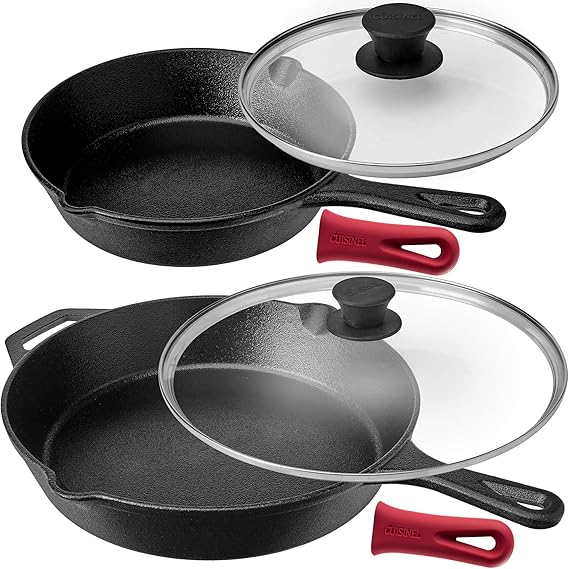
Cast Iron Skillet Set + Glass Lids 8"+12"inch / 20.32cm 30.48cm
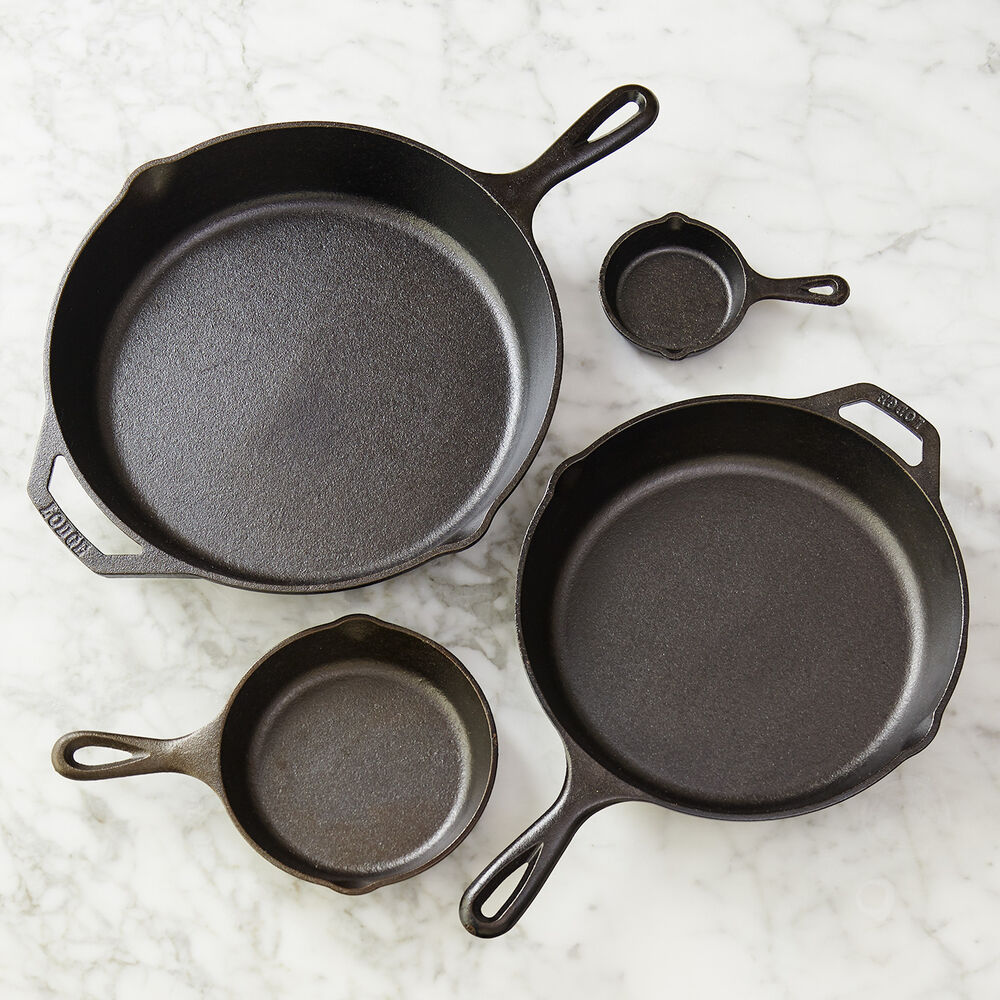
Lodge® Cast Iron Skillets

Where To Buy That Cast Iron Skillet With Sections? Gardenfork
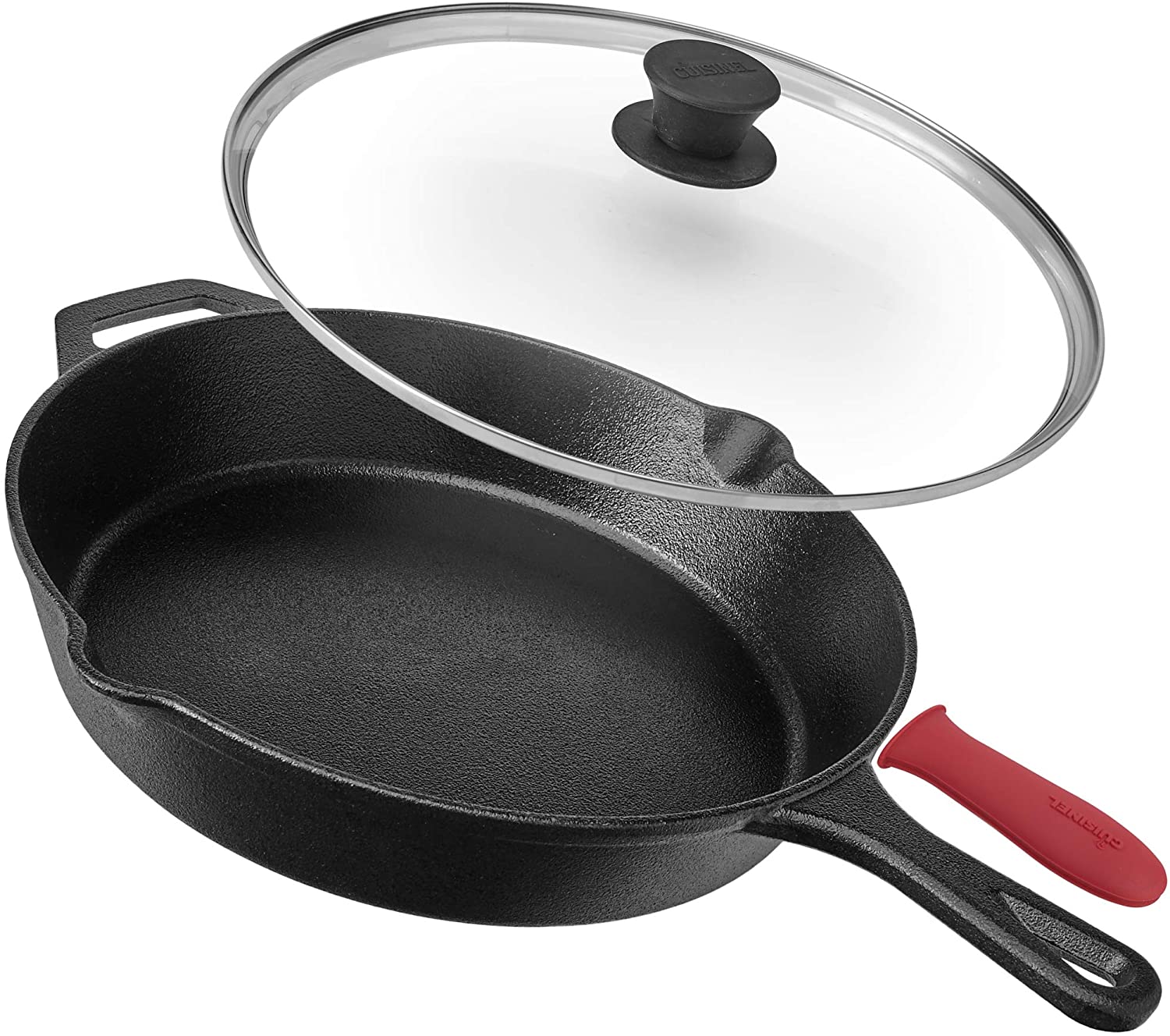
12" Cast Iron Skillet With Lid Jess Delicious Living

Do Not Buy A Cast Iron Skillet Youtube


No comments:
Post a Comment