
Navigating Your Inbox: A Comprehensive Guide to Checking Your Emails
Understanding the Basics of Email Access
In today's digital age, email remains a cornerstone of communication, both personally and professionally. Whether you're expecting an important work document, a notification from your favorite online store, or simply a message from a friend, knowing how to access your emails efficiently is crucial. The process, while seemingly straightforward, can vary slightly depending on your email provider and the device you're using. So, let's embark on a journey to demystify this essential digital skill.
First and foremost, you need to identify your email provider. Are you using Gmail, Outlook, Yahoo Mail, or perhaps a provider associated with your internet service? Each platform has its own interface, but the fundamental principles remain consistent. Regardless of the provider, you'll need your email address and password to gain access. It's akin to having a digital key to your personal mailbox, and as with any key, security is paramount.
One common hurdle is remembering passwords. We've all been there, staring blankly at the login screen, wondering if it's "Password123" or "P@ssword!456." Most email providers offer password recovery options, usually involving a security question or a verification code sent to a recovery email or phone number. Setting up these recovery options in advance can save you a significant headache down the line. Think of it as investing in a spare key, just in case.
Once you've successfully logged in, you'll be greeted by your inbox. This is where all your incoming messages reside. Familiarizing yourself with the interface, including folders, search functions, and settings, will streamline your email management. It's like learning the layout of a new house, knowing where everything is located makes life much simpler. And honestly, who doesn't like a simpler life?
Accessing Your Email via Web Browser
The Universal Method for Email Retrieval
The most universally accessible method for checking your emails is through a web browser. Whether you're on a desktop computer, laptop, tablet, or smartphone, a browser provides a gateway to your inbox. Simply open your preferred browser—Chrome, Firefox, Safari, or Edge—and navigate to your email provider's website. For Gmail, it's mail.google.com; for Outlook, it's outlook.live.com, and so on.
Entering your email address and password will grant you access to your inbox. The browser interface typically offers a comprehensive view of your emails, allowing you to read, compose, reply, forward, and delete messages. The search function is particularly useful for locating specific emails, especially when your inbox is overflowing with messages. It’s like having a digital detective at your fingertips.
One of the advantages of using a web browser is its cross-platform compatibility. You can access your emails from virtually any device with an internet connection. This flexibility is invaluable when you're traveling or using a public computer. However, be mindful of security when using public computers. Always remember to log out after checking your emails, and avoid saving your password on shared devices. It's better to be safe than sorry, especially when it comes to your digital privacy.
Furthermore, most email providers offer customizable settings within their web interfaces. You can personalize your inbox by changing the theme, layout, and notification preferences. This allows you to create an email environment that suits your individual needs and preferences. It’s a bit like decorating your digital space, making it feel more like home.
Using Dedicated Email Applications
Streamlining Your Email Experience
For a more streamlined and integrated email experience, consider using dedicated email applications. These applications, such as Microsoft Outlook, Apple Mail, and Mozilla Thunderbird, provide a centralized platform for managing multiple email accounts. They often offer advanced features, such as calendar integration, task management, and offline access.
Setting up an email account in a dedicated application typically involves entering your email address, password, and server settings. Most applications can automatically detect these settings, simplifying the process. However, if you encounter any issues, your email provider's support documentation can provide the necessary information. It is like setting up a new appliance, sometimes you need the instruction manual.
Dedicated email applications often provide a more efficient and organized email management experience. They allow you to sort, filter, and categorize your emails, making it easier to find important messages. Additionally, they often offer better integration with other applications and services, enhancing your productivity. This can be particularly useful for professionals who rely heavily on email for communication and collaboration.
Another advantage of using dedicated applications is offline access. Once your emails have been downloaded, you can access them even without an internet connection. This is particularly useful when you're traveling or working in areas with limited connectivity. It's like having a backup copy of your emails, just in case you lose your internet connection.
Mobile Email Access: Staying Connected on the Go
Email in Your Pocket
In today's mobile-first world, checking your emails on your smartphone or tablet is essential. Whether you're using an iOS or Android device, you can access your emails through dedicated mobile apps or your device's built-in email client. Mobile apps, such as the Gmail app and the Outlook app, offer a user-friendly interface optimized for mobile devices.
Setting up an email account on your mobile device is usually a straightforward process. Simply download the app from your device's app store, enter your email address and password, and follow the on-screen instructions. Mobile apps often provide push notifications, alerting you to new emails as soon as they arrive. This ensures that you never miss an important message, even when you're on the go. It’s like having a personal assistant, always keeping you informed.
Mobile email apps also offer features such as swipe gestures, quick reply options, and attachment previews, making it easy to manage your emails on a small screen. Additionally, they often integrate with your device's contacts and calendar, providing a seamless email experience. This integration enhances your productivity and makes it easier to stay organized. It is like having a mini office in your pocket.
However, be mindful of data usage when checking your emails on mobile devices. Downloading large attachments or syncing a large number of emails can consume significant data. If you're on a limited data plan, consider using Wi-Fi whenever possible. Also, be aware of security risks when using public Wi-Fi networks. Avoid accessing sensitive information, such as banking details, on unsecured networks. It's always better to err on the side of caution.
Email Security and Best Practices
Protecting Your Digital Mailbox
Email security is paramount in today's digital landscape. Phishing scams, malware, and data breaches are just a few of the threats that can compromise your email account. To protect yourself, it's essential to adopt best practices for email security. Start by using a strong, unique password for your email account. Avoid using easily guessable passwords, such as your name, birthday, or common words. Consider using a password manager to generate and store complex passwords.
Be cautious of suspicious emails, especially those from unknown senders. Avoid clicking on links or downloading attachments from emails that you don't trust. Phishing emails often mimic legitimate emails from banks, online stores, or other organizations. If you're unsure about the legitimacy of an email, contact the sender directly to verify its authenticity. It is better to double check, than to regret later.
Enable two-factor authentication (2FA) for your email account. 2FA adds an extra layer of security by requiring a second form of verification, such as a code sent to your mobile phone, in addition to your password. This makes it much harder for unauthorized users to access your account. Most email providers offer 2FA as a security option. It is like having a double lock on your front door.
Regularly update your email applications and operating system. Security updates often include patches for known vulnerabilities, protecting you from potential threats. Also, consider using antivirus and anti-malware software to scan your emails for malicious content. Staying up-to-date with security measures is essential for protecting your digital mailbox. It’s like having regular maintenance on your car, it keeps it running smoothly.
FAQ: Common Email Access Questions
Your Queries Answered
Q: I forgot my email password. What should I do?
A: Most email providers offer password recovery options. Look for a "Forgot Password" or "Password Recovery" link on the login page. You'll typically be asked to answer security questions or receive a verification code via email or phone.
Q: How do I set up my email on my smartphone?
A: Download the official app of your email provider (Gmail, Outlook, etc.) from your app store. Open the app, enter your email address and password, and follow the on-screen instructions. Alternatively, you can use your phone's built-in email client.
Check Emails On Gmail Youtube
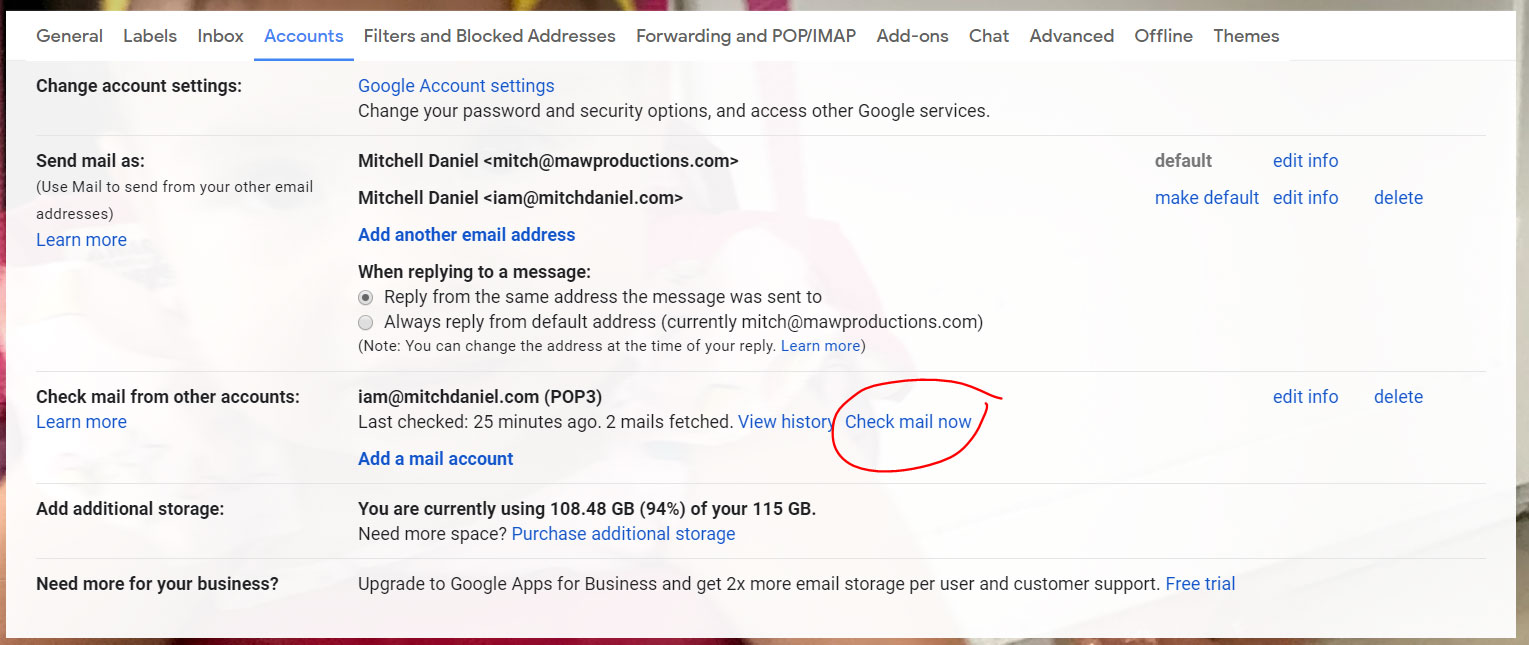
Check Webmail Inbox From Gmail And Send Maw Pro
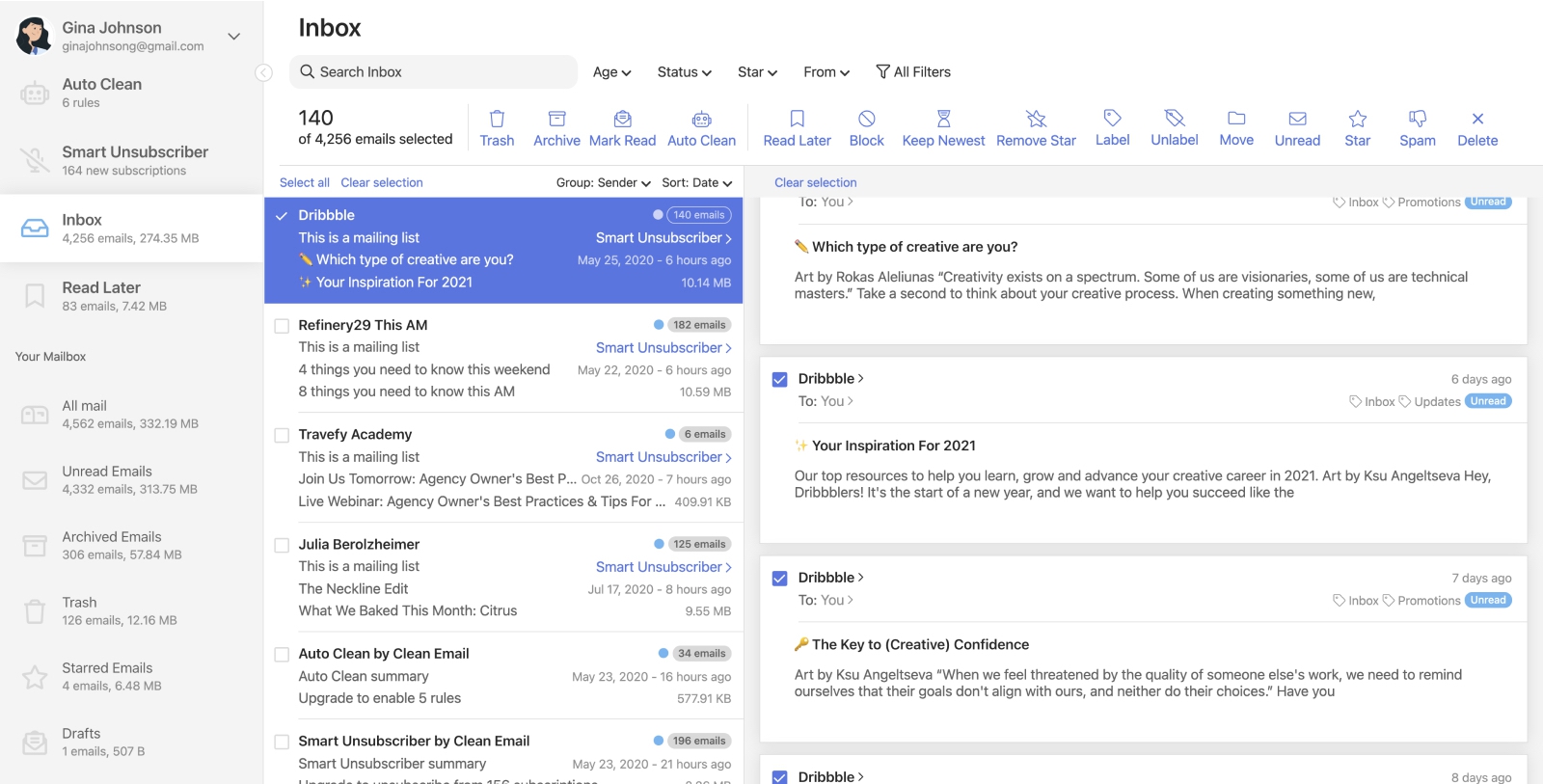
How Can I Check My Email Inbox? We List All Methods
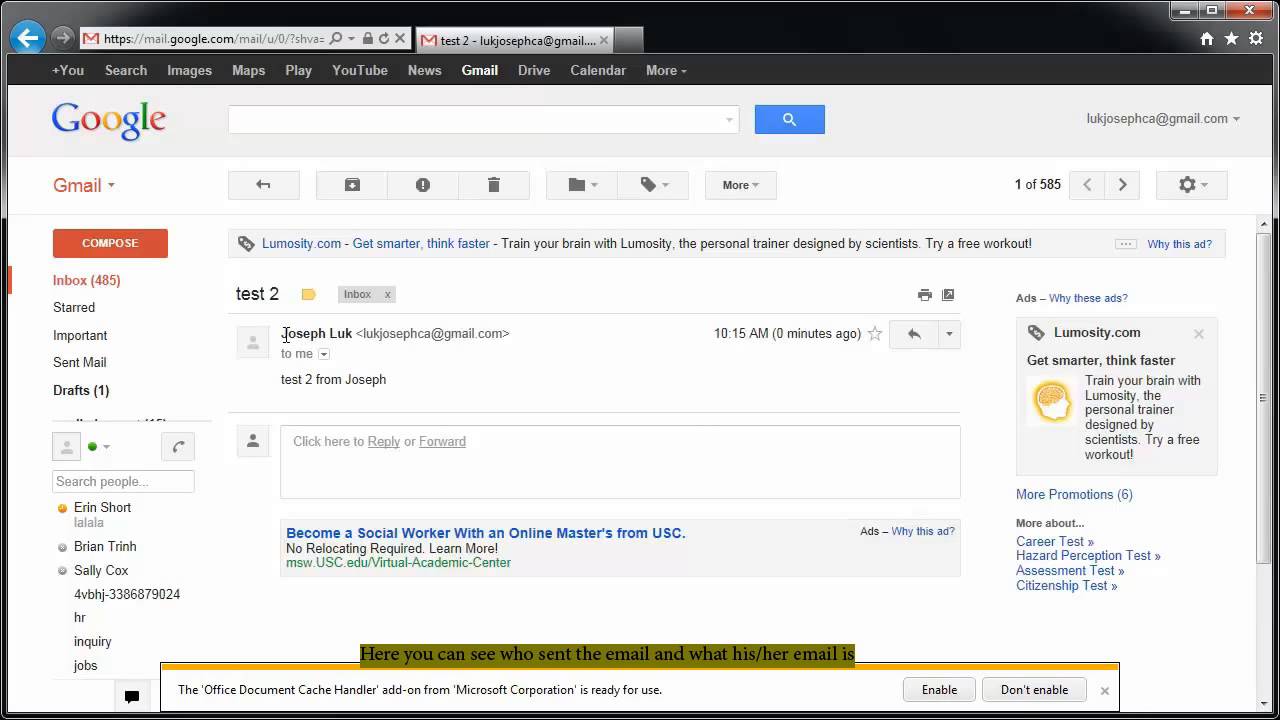
How To Check Your Email (gmail User) Youtube
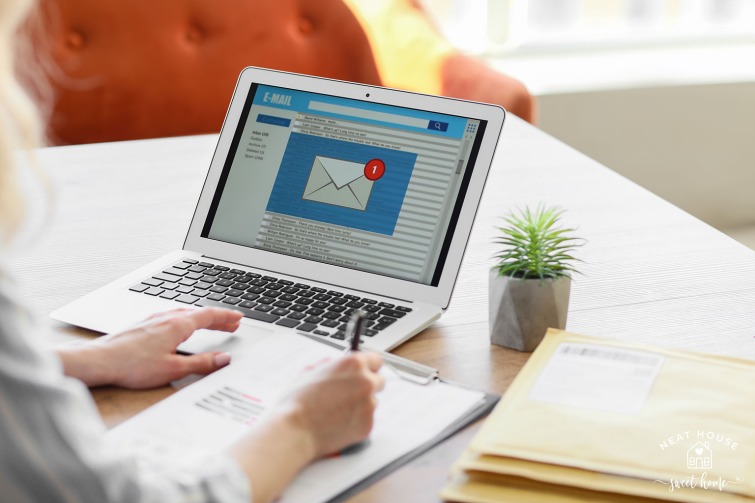
5 Reasons To Stop Checking Your Email So Often • What Do Instead


No comments:
Post a Comment