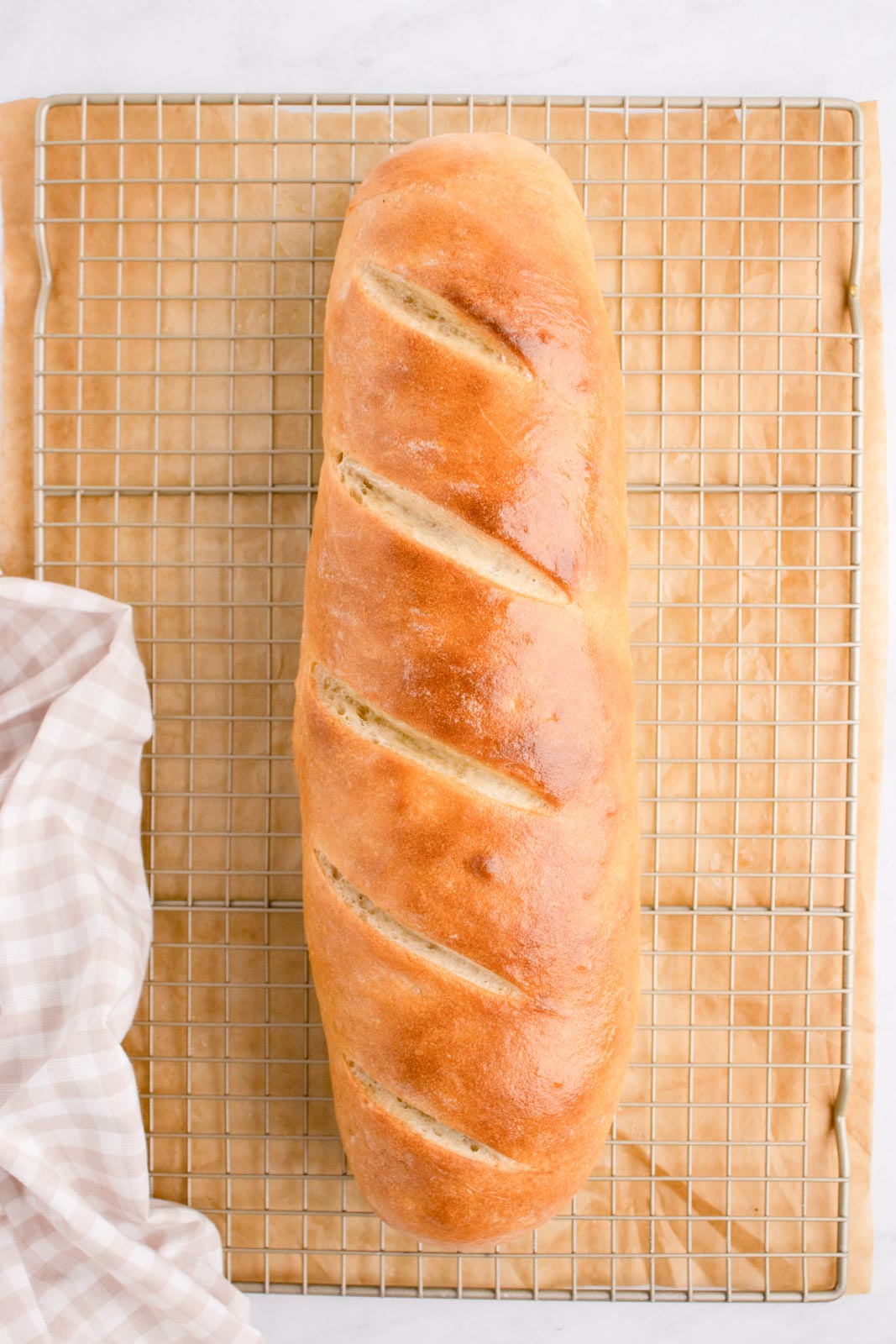
The Art and Science of Preserving Your Baguette: How To Keep French Bread Fresh
Ah, the baguette. A symbol of French culinary prowess, a staple at dinner tables, and a delightful companion to any meal. But as anyone who has ever purchased one knows, its freshness is fleeting. That crisp, golden crust and soft, airy interior can turn into a rock-hard relic in a matter of hours. Fear not, fellow bread enthusiasts, for we delve into the methods that will keep your baguette tasting as if it just emerged from a Parisian boulangerie.
The challenge, of course, lies in the bread's very nature. Its minimal ingredients and open crumb structure make it particularly susceptible to staling. Staling, in essence, is the process of moisture migrating from the interior to the crust, then evaporating, leaving the bread dry and hard. It's a cruel twist of fate, but one we can combat with a little know-how. So, let's explore the techniques that will extend the life of your beloved baguette.
Understanding the enemy, in this case, staling, is the first step. Think of it like this: your baguette is a delicate ecosystem. It needs a balance of moisture. Too much, and it becomes soggy; too little, and it's a brick. Our goal is to maintain that equilibrium, and that's where proper storage comes in. We’re not just talking about tossing it on the counter and hoping for the best. We need strategy, folks!
Consider this: the speed of staling is also affected by temperature. Refrigeration, while seemingly a good idea, actually accelerates staling due to the rapid recrystallization of starch. It's a common misconception, but one we're here to debunk. So, what are the alternatives? Let's dive in.
The Paper Bag Method: A Classic Approach
Why Paper Bags Are Your Ally
The simplest method, and often the most effective for short-term storage, is using a paper bag. Not just any paper bag, mind you, but a breathable one. This allows for some air circulation, preventing the crust from becoming overly soggy while still offering a degree of protection.
To employ this method, simply place your baguette in a paper bag and fold the top closed. Store it at room temperature, ideally in a cool, dry place. This method is best for bread that will be consumed within a few hours or a day at most. The paper bag acts as a buffer, slowing down the moisture migration without completely sealing it off.
You can also use a linen or cotton cloth inside the paper bag, which adds an extra layer of protection and helps absorb excess moisture. This is especially useful in humid environments. Think of it as giving your baguette a little cozy blanket.
If you're feeling particularly fancy, you can even use a спеціальний (special) bread bag made of linen. These are designed specifically for storing bread and often have a drawstring closure to keep the bread secure. They’re a bit of an investment, but if you’re a serious baguette aficionado, they’re worth it.
The Foil and Plastic Combo: For Longer Preservation
Maximizing Freshness with a Two-Layer Approach
For those times when you need to keep your baguette fresh for a bit longer, a combination of aluminum foil and a plastic bag is your best bet. This method is particularly effective for delaying staling for a couple of days.
First, wrap the baguette tightly in aluminum foil. This creates a barrier that helps prevent moisture loss. Then, place the foil-wrapped baguette in a plastic bag and seal it tightly. This adds an extra layer of protection and further slows down the staling process. This method is especially useful if you're planning to reheat the baguette later.
When you're ready to enjoy your baguette, you can reheat it in a preheated oven at 350°F (175°C) for a few minutes. This will help restore some of the crispness to the crust. Just make sure not to overdo it, or you'll end up with a hard, dry baguette. A light misting with water before reheating can also help.
Remember, the key is to seal the baguette tightly. Any air pockets will allow moisture to escape, defeating the purpose of this method. Think of it as creating a mini-climate-controlled environment for your bread.
Freezing for Future Feasts: A Long-Term Solution
The Art of Freezing and Reheating Baguettes
If you find yourself with an abundance of baguettes, or if you want to enjoy fresh bread at a moment's notice, freezing is an excellent option. This method can preserve the quality of your baguette for weeks, even months.
To freeze your baguette, first, wrap it tightly in aluminum foil or plastic wrap. Then, place it in a freezer bag and seal it tightly. This will prevent freezer burn and maintain the bread's moisture content. You can freeze whole baguettes or cut them into smaller portions, depending on your needs. Smaller portions will thaw and reheat more quickly.
When you're ready to enjoy your frozen baguette, you can thaw it at room temperature for a few hours or overnight. Alternatively, you can reheat it directly from frozen in a preheated oven at 375°F (190°C) for 10-15 minutes. This will help restore the crispness to the crust and warm the interior.
A little trick to add is to lightly mist the frozen baguette with water before placing it in the oven. This helps to recreate some of the moisture that was lost during the freezing process. It's like giving your baguette a little spa treatment.
Reheating Techniques: Reviving Your Baguette
Bringing Back the Crust: Mastering Reheating
Even with the best storage methods, a baguette will eventually lose some of its freshness. Reheating can help restore some of that lost crispness and warmth. The oven is your best friend in this endeavor.
Preheat your oven to 350°F (175°C). Lightly mist the baguette with water or wrap it in a damp paper towel. Place it in the oven for 5-10 minutes, or until it's warm and the crust is crisp. Keep a close eye on it, as it can go from perfectly reheated to overdone in a matter of minutes.
If you don't have an oven, a toaster oven or even a stovetop grill pan can be used. For a stovetop grill, lightly mist the baguette and place it on the grill over medium heat, turning it occasionally until it's warmed through and the crust is crisp. This method requires a bit more attention to prevent burning.
Avoid using a microwave for reheating, as it can make the baguette tough and chewy. The microwave's uneven heating tends to dry out the bread rather than revive it. It's a quick fix, but a poor one.
Frequently Asked Questions (FAQs)
Your Burning Baguette Questions Answered
Q: Can I store my baguette in the refrigerator?
A: While it might seem logical, refrigerating a baguette actually accelerates staling. The cold temperature causes the starch to recrystallize faster, making the bread hard and dry. It's a common mistake, but one to avoid.
Q: How long can I keep a baguette fresh at room temperature?
A: Using a paper bag, you can typically keep a baguette fresh for a few hours to a day. After that, it will start to lose its crispness and become harder. For longer storage, consider freezing or using the foil and plastic bag method.
Q: Can I revive a completely hard baguette?
A: While you can't fully restore a rock-hard baguette to its original state, you can soften it by soaking it in water and then baking it in a preheated oven. This will soften the interior, but the crust will likely remain hard. It's best to use stale baguettes for breadcrumbs or croutons.
Q: Does humidity affect how I should store my baguettes?
A: Yes, humidity plays a big role. In humid environments, using a paper bag with a linen cloth inside can help absorb excess moisture. In very dry climates, ensuring the baguettes are very tightly sealed is important to prevent drying out.

10 Tips How To Keep French Bread Soft Longer Thursday Two Questions

Instant Pot Bread Recipe French A Pressure Cooker

10 Tips How To Keep French Bread Soft Longer Thursday Two Questions

Best French Bread Recipe Offers, Save 53 Jlcatj.gob.mx


No comments:
Post a Comment