Maintaining Cleanliness: A Comprehensive Guide to Door Mat Hygiene
The Importance of a Clean Door Mat
The humble door mat, often overlooked, serves as the first line of defense against dirt, grime, and debris entering your home. It’s a silent guardian, tirelessly working to keep your floors clean. However, this constant exposure necessitates regular maintenance. A dirty door mat not only detracts from your home's aesthetic appeal but also becomes a breeding ground for bacteria and allergens. Ignoring its upkeep can lead to the spread of unwanted substances throughout your living space, compromising indoor air quality and overall hygiene. Think of it as a first impression, a handshake with your home, and nobody wants a dirty handshake.
Regular cleaning extends the lifespan of your door mat, preventing premature wear and tear. Accumulated dirt can abrade the fibers, causing them to break down over time. By diligently cleaning your mat, you protect your investment and ensure it continues to perform its intended function effectively. A well-maintained door mat keeps the inside of your house much cleaner, less dust and dirt to deal with.
Moreover, a clean door mat contributes to a healthier living environment. Allergens such as pollen, pet dander, and dust mites can accumulate in the fibers, triggering allergic reactions and respiratory issues. Regularly removing these allergens minimizes their impact on your family's health. Therefore, cleaning your door mat is not merely an aesthetic choice but a crucial aspect of maintaining a healthy home.
Let's be honest, nobody wants to track mud into the house. A clean doormat prevents this. It’s also a matter of respecting your own space. A clean home starts at the door, literally. A dirty mat can also be a safety hazard, as it can become slippery when wet or covered in loose debris.
Identifying Your Door Mat Material: A Crucial First Step
Understanding Material-Specific Cleaning Needs
Door mats are crafted from a variety of materials, each with unique cleaning requirements. Common materials include coir, rubber, fabric, and synthetic blends. Recognizing the material of your door mat is essential for selecting the appropriate cleaning method and avoiding damage. For instance, coir mats, known for their durability, require different treatment compared to delicate fabric mats. A quick look at the manufacturer's label will usually tell you what material you're dealing with.
Coir mats, derived from coconut husks, are naturally resistant to mold and mildew but can shed fibers if subjected to excessive moisture or harsh cleaning agents. Rubber mats, on the other hand, are highly durable and easy to clean, often requiring only a simple rinse with water. Fabric mats, depending on their composition, may require machine washing or spot cleaning. Synthetic blends, often designed for versatility, may tolerate a wider range of cleaning methods.
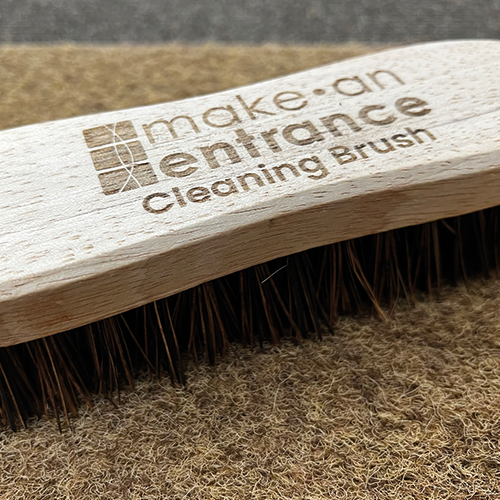
Understanding the material also helps you choose the right cleaning tools. For example, a stiff brush is ideal for coir mats, while a soft cloth or sponge is more suitable for fabric mats. Using the wrong tools can damage the fibers and shorten the lifespan of your door mat. Always check for manufacturer instructions, they are there for a reason.
Consider the environment your door mat is in. If it's outside in the elements, it will need a different approach than a mat in a sheltered entryway. Outdoor mats will generally need more robust cleaning. Also, think about the type of dirt it's exposed to. Mud, leaves, snow, and salt all require different strategies.
Basic Cleaning Techniques: A Step-by-Step Guide
Simple Methods for Everyday Maintenance
Regular maintenance is key to keeping your door mat clean and functional. For most door mats, a simple shake or vacuuming is sufficient for removing loose dirt and debris. This should be done at least once a week, or more frequently during periods of heavy foot traffic or inclement weather. For a more thorough cleaning, take the mat outside and give it a good shake to dislodge embedded dirt.
Vacuuming is another effective method for removing loose dirt and debris. Use a vacuum cleaner with a brush attachment to gently loosen and lift dirt from the fibers. For coir mats, a stiff brush can be used to loosen stubborn dirt before vacuuming. For fabric mats, a gentle brush or lint roller can be used to remove surface debris. Sometimes, a good old-fashioned beating can work wonders.
For rubber mats, a simple rinse with water is often sufficient. Use a garden hose or a bucket of water to flush away dirt and debris. For stubborn stains, a mild detergent can be used. Scrub the mat with a brush or sponge, then rinse thoroughly with clean water. Allow the mat to air dry completely before placing it back in its designated spot. Don't leave rubber mats in direct sunlight for long periods, as they can degrade.
For fabric mats, machine washing may be an option, depending on the material. Check the manufacturer's instructions for specific washing guidelines. Use a mild detergent and a gentle cycle to avoid damaging the fibers. For spot cleaning, blot the stain with a clean cloth or sponge, using a mild detergent solution. Avoid rubbing the stain, as this can spread it further. Air dry the mat completely before placing it back in use. You don't want a soggy doormat.
Dealing with Stubborn Stains: Advanced Cleaning Strategies
Targeted Solutions for Difficult Dirt
Stubborn stains, such as mud, oil, or pet accidents, require more intensive cleaning methods. For mud stains, allow the mud to dry completely before attempting to remove it. Once dry, brush off as much of the dried mud as possible. Then, use a mild detergent solution and a brush to scrub the remaining stain. Rinse thoroughly with clean water and allow the mat to air dry. A pressure washer can be very effective for heavy mud stains on rubber mats.
For oil stains, sprinkle baking soda or cornstarch on the stain to absorb the oil. Allow it to sit for several hours, then vacuum or brush it away. For remaining stains, use a degreasing detergent or a solvent-based cleaner. Always test the cleaner on an inconspicuous area of the mat first to ensure it does not cause damage. Rinse thoroughly with clean water and allow the mat to air dry. Oil stains are tricky, but persistence pays off.
Pet accidents require immediate attention to prevent odors and stains from setting. Blot the affected area with a clean cloth or paper towel to absorb as much of the liquid as possible. Then, use an enzyme-based cleaner designed for pet stains. These cleaners break down the organic compounds in pet urine and feces, effectively neutralizing odors and removing stains. Follow the manufacturer's instructions for application and allow the mat to air dry. A good enzyme cleaner is a must-have for pet owners.
For particularly persistent stains, a mixture of white vinegar and water can be effective. This natural cleaning solution can help to break down stubborn stains and neutralize odors. Mix equal parts white vinegar and water, apply it to the stain, and let it sit for a few minutes before scrubbing. Rinse thoroughly with clean water and allow the mat to air dry. Remember, patience is key when dealing with stubborn stains.
Drying and Maintenance: Ensuring Longevity
Proper Care for a Lasting Door Mat
Proper drying is crucial for preventing mold and mildew growth. After cleaning, allow your door mat to air dry completely before placing it back in its designated spot. Avoid placing damp mats in direct sunlight, as this can cause them to warp or fade. If possible, hang the mat to dry in a well-ventilated area. A wet doormat is a recipe for disaster.
Regular maintenance, such as shaking or vacuuming, will help to keep your door mat clean between deep cleanings. Consider placing a smaller, washable mat inside your entryway to catch any remaining dirt and debris. This will help to extend the lifespan of your main door mat and keep your floors cleaner. Rotating your mats can also help even wear and tear.
For coir mats, avoid excessive moisture and harsh cleaning agents. These materials can cause the fibers to break down and shed. For rubber mats, avoid prolonged exposure to direct sunlight and extreme temperatures. These conditions can cause the rubber to crack or degrade. Always follow the manufacturer's care instructions for specific guidance.
Consider using a door mat with a waterproof backing to prevent moisture from seeping through to your floors. This is particularly important for mats placed in areas prone to spills or heavy rain. A well-maintained door mat not only keeps your home clean but also contributes to a healthier and more comfortable living environment. A little care goes a long way.
Frequently Asked Questions (FAQ)
Addressing Common Door Mat Cleaning Concerns
Q: How often should I clean my door mat?
A: It depends on the traffic and exposure. For high-traffic areas, weekly vacuuming and monthly deep cleaning are recommended. Outdoor mats exposed to the elements may require more frequent cleaning.
Q: Can I put my coir door mat in the washing machine?
A: No, coir mats should not be machine washed. The agitation and excessive moisture can damage the fibers. Instead, shake, vacuum, or brush the mat to remove dirt.

Clean Sole Floor Mat, Sanitizing Footbath Mat Shoe
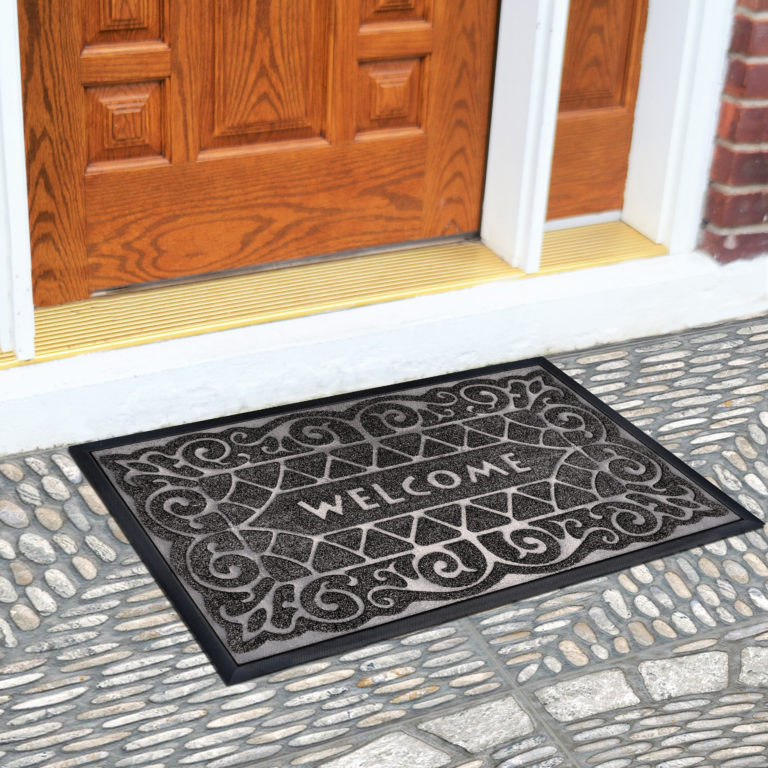
Premium Quality Door Mat 24 X 36 Inches Indoor Outdoor Doormat With
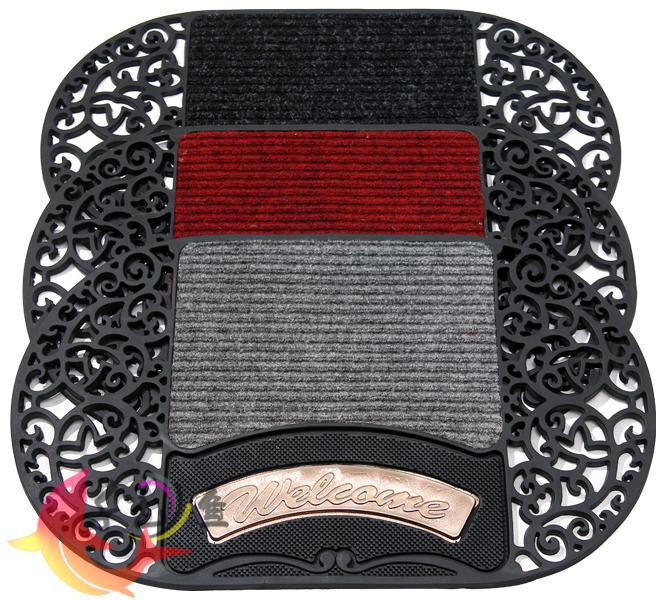
Clean Door Mats Iblogsandyou

Home (with Images) Door Mat
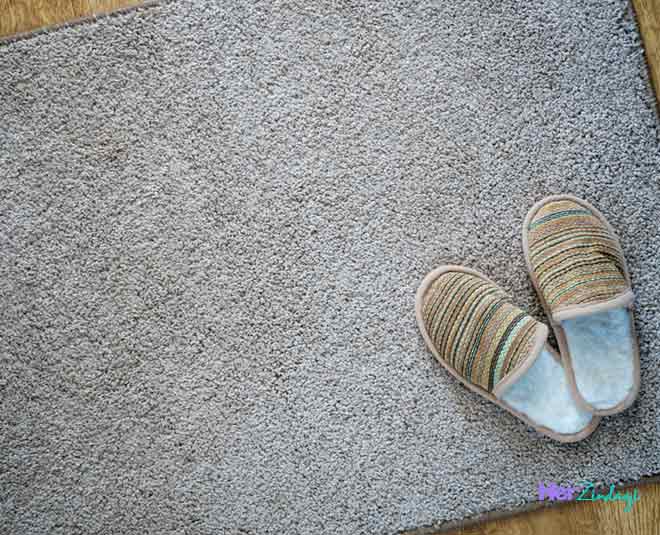
How To Clean Mats At Home Herzindagi


No comments:
Post a Comment