
Deciphering the Egg: A Guide to Detecting Spoilage
Visual Inspection: The First Line of Defense
The humble egg, a kitchen staple, can sometimes turn traitor, harboring bacteria and emitting an odor that could clear a room. But how do you know if your egg has crossed the line? The first step is a simple visual inspection. Crack open the egg onto a clean, white plate. A fresh egg will have a firm, raised yolk and a thick, viscous white. If the yolk is flat and the white is watery, it's a sign of aging, though not necessarily spoilage. However, if the yolk is broken or discolored, or if you see any mold or unusual colors in the white, it's time to bid that egg farewell.
Sometimes, the shell itself can offer clues. Cracks, even hairline ones, can allow bacteria to enter. If the shell is sticky or powdery, it's another red flag. A fresh egg shell should be clean and smooth. But remember, don't rely solely on the shell; the real test lies within.
Don't forget to check the expiration date, if present. While best-by dates are helpful, they aren't foolproof. Eggs can still spoil before the date, especially if they haven't been stored properly. Temperature fluctuations and improper handling can accelerate spoilage. Consider the date a guideline, not a guarantee.
Consider the age of the egg. If you bought eggs a long time ago, it is more likely they are not fresh. If you are unsure how long the eggs have been in your refrigerator, it is better to test them. It's always better to be safe than sorry, especially when dealing with potentially harmful bacteria.
The Sniff Test: A Nose Knows
The Unmistakable Sulfur Stench
Ah, the infamous sniff test. If an egg has gone bad, it will emit a distinct, sulfurous odor. It's not a subtle smell; it's the kind of aroma that makes you recoil. This is due to the hydrogen sulfide gas produced by bacteria as they break down the egg's proteins. If you crack an egg and are met with this unpleasant smell, dispose of it immediately and thoroughly clean any surfaces it touched.
Sometimes, the smell is subtle when the egg is cold. But, as the egg warms up, the smell will become more prominent. So, if you are unsure, let the egg warm up for a few minutes and then give it another sniff. This can help you to detect any subtle odors that you might have missed before.
If you are still unsure after sniffing the raw egg, you can try cooking it. If the smell becomes stronger when cooked, it is definitely a bad egg. Discard it immediately and ventilate the area. The smell of a bad egg can linger, so it is important to get rid of it as soon as possible.
Even if the egg looks fine, if it smells bad, it is bad. Trust your nose. It is one of the best tools you have for detecting spoiled eggs. The human sense of smell is incredibly sensitive, and it can often detect spoilage before any other signs are visible.
The Float Test: Buoyancy and Freshness
Density and Age: A Simple Experiment
The float test is a classic method for determining an egg's freshness. Place the egg in a glass of cold water. A fresh egg will sink to the bottom and lie on its side. An older egg, but still potentially safe to eat, will stand on its end. A spoiled egg will float. This is due to the air cell inside the egg, which enlarges as the egg ages. As the egg loses moisture and carbon dioxide, it becomes more buoyant.
However, the float test isn't foolproof. An egg that floats isn't necessarily rotten; it might just be old. It's best to combine the float test with other methods, such as the sniff test and visual inspection, to get a more accurate assessment of the egg's condition. While a floating egg should be treated with suspicion, it doesn't automatically mean it's unusable.
If the egg sinks but stands on its end, it's still likely safe to eat, but it should be used soon. The standing position indicates that the air cell has enlarged, meaning the egg is older. However, if there are no other signs of spoilage, such as a bad smell or discoloration, it's probably fine. Cook it thoroughly to kill any potential bacteria.
Remember to use a glass of cold water for the float test. Warm water can affect the buoyancy of the egg, giving you a false result. Using cold water ensures that the test is accurate and reliable. It is a simple test that can give you a quick indication of an egg's freshness.
Candling: Shining a Light on Freshness
Professional Inspection at Home
Candling involves holding a bright light source against the egg in a darkened room to examine its interior. While traditionally used by egg producers, you can perform a simplified version at home using a strong flashlight. A fresh egg will appear mostly filled with a small air cell at the blunt end. As the egg ages, the air cell enlarges, and the yolk becomes more visible and mobile.
Candling can reveal cracks or blood spots that might not be visible to the naked eye. While blood spots are generally harmless, they can indicate a fertilized egg, which some people prefer to avoid. Cracks, on the other hand, can allow bacteria to enter, increasing the risk of spoilage.
It can be difficult to see the interior of brown eggs. White eggs are much easier to inspect using this method. The color of the shell can affect the clarity of the image, making it harder to see any internal defects or signs of aging. However, even with brown eggs, you can still get a general idea of the air cell size and yolk movement.
If you see a dark spot or a ring inside the egg, it could be a sign of mold or bacterial growth. Discard the egg immediately. These dark spots are often caused by bacteria feeding on the egg's contents, and they can be a serious health hazard. It is better to err on the side of caution and discard any egg that shows these signs.
Storage and Prevention: Keeping Eggs Fresh
Temperature Control and Proper Handling
Proper storage is crucial for extending the shelf life of eggs. Store them in their original carton in the refrigerator, as the carton helps to prevent them from absorbing odors from other foods. Avoid storing eggs in the refrigerator door, as temperature fluctuations can occur there. Keep them at a consistent temperature of 40°F (4°C) or below.
Handle eggs with care to prevent cracking. Even small cracks can compromise the egg's protective shell and allow bacteria to enter. Wash your hands thoroughly before and after handling eggs. This helps to prevent the spread of bacteria and ensures that you are not introducing any contaminants to the eggs.
Don't wash eggs before storing them. Washing can remove the protective coating on the shell, making them more susceptible to bacterial contamination. Eggs are naturally protected by a thin cuticle, which acts as a barrier against bacteria. Washing removes this cuticle, leaving the egg vulnerable. If you do wash eggs, use them immediately.
If you are unsure about the freshness of an egg, it is always better to err on the side of caution and discard it. Food poisoning from spoiled eggs can be serious, so it is not worth the risk. When in doubt, throw it out. It's a simple rule that can save you a lot of trouble.
Frequently Asked Questions (FAQs)
Your Egg-Related Queries Answered
Q: Can I eat an egg that floats?
A: While a floating egg isn't necessarily rotten, it's best to avoid it. It indicates the egg is old, and there's a higher risk of bacterial growth. Combine the float test with other methods to determine its safety.
Q: How long can I keep eggs in the refrigerator?
A: Fresh eggs in their shell can typically be stored in the refrigerator for 3-5 weeks from the date of purchase. Always check the best-by date on the carton, but remember it's a guideline.
Q: What happens if I eat a bad egg?
A: Eating a bad egg can lead to food poisoning, with symptoms like nausea, vomiting, diarrhea, and abdominal cramps. In severe cases, it can lead to dehydration and other complications. If you suspect you've eaten a bad egg, seek medical attention.
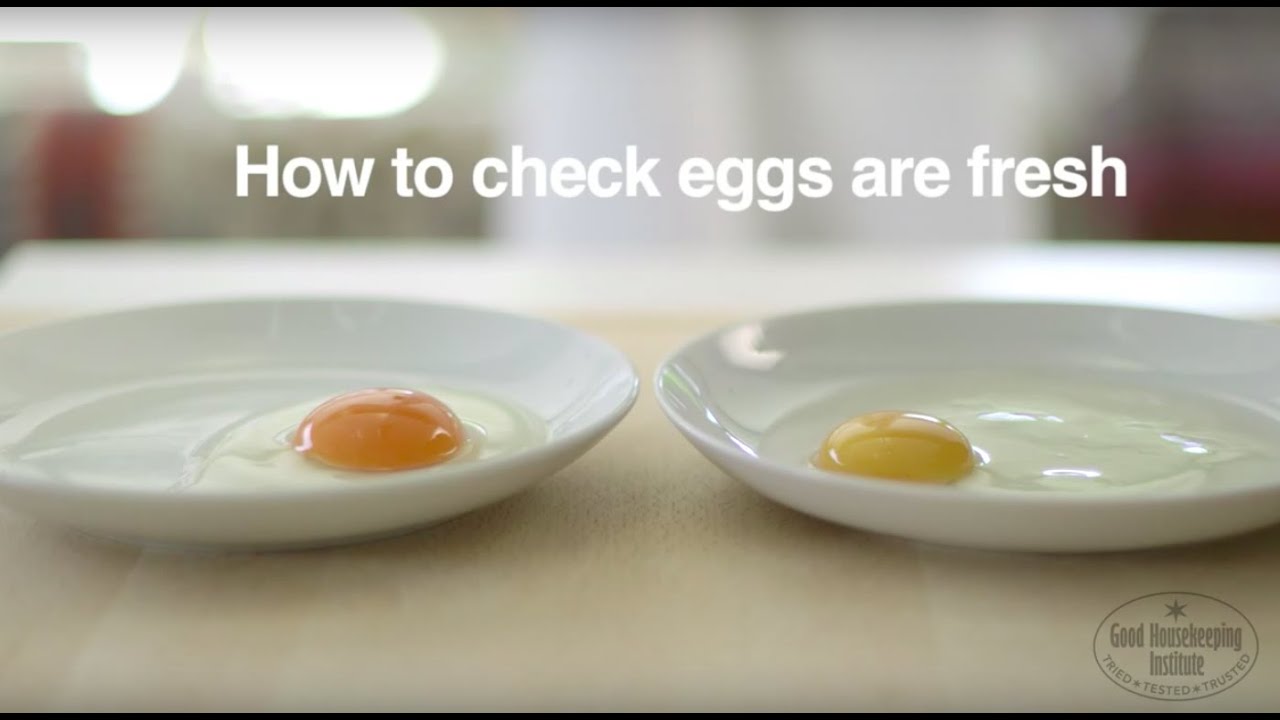
How To Check That Eggs Are Fresh Artistrestaurant2

How To Tell If An Egg Is Bad Youtube

The Egg Water Test And Other Ways To Tell If An Has Gone Bad
/egg-freshness-test-infographic-8f642a62557c4a39b51839006b9e1087.jpg "how to check if eggs are ok documentride5")
How To Check If Eggs Are Ok Documentride5


No comments:
Post a Comment