/GettyImages-653331766-5a5412be9802070037dd0491.jpg "basic tips for cooking chinese food")
Mastering the Wok: A Guide to Authentic Chinese Cuisine at Home
The allure of Chinese cuisine extends far beyond takeout menus. From the delicate artistry of dim sum to the robust flavors of Sichuan dishes, mastering these culinary traditions at home is an achievable, and indeed, rewarding endeavor. This guide aims to demystify the process, providing a structured approach to cooking authentic Chinese meals, ensuring both delicious results and a deeper appreciation for this rich culinary heritage.
Understanding the Essential Ingredients and Techniques
The Foundation of Flavor
Chinese cooking relies on a precise balance of flavors, often achieved through a core set of ingredients. Soy sauce, rice vinegar, sesame oil, and Shaoxing wine form the backbone of many sauces and marinades. Understanding their individual roles and how they interact is crucial. For instance, soy sauce provides umami and saltiness, while rice vinegar adds a necessary tang. Ginger, garlic, and scallions, often referred to as the "holy trinity" of Chinese cooking, are foundational aromatics, used liberally to build depth of flavor.
The importance of fresh ingredients cannot be overstated. A vibrant, crisp vegetable will elevate a stir-fry, while high-quality proteins ensure a tender and flavorful dish. Seek out local Asian markets for specialty items, and don't hesitate to experiment with different varieties of soy sauce or vinegar to find your personal preference.
Another key element is the proper preparation of ingredients. This includes precise chopping and slicing, ensuring even cooking. For example, slicing meat against the grain contributes to tenderness. Marinating is also vital, allowing flavors to permeate proteins and vegetables before cooking.
Finally, embracing the concept of "mise en place" is crucial. Having all ingredients prepped and measured before starting to cook allows for a smooth and efficient cooking process, especially when working with high-heat stir-fries.
The Art of Stir-Frying: Mastering the Wok
High Heat and Quick Action
Stir-frying, a cornerstone of Chinese cooking, is all about speed and precision. A well-seasoned wok, heated to a high temperature, is essential. This allows for rapid cooking, ensuring vegetables retain their crispness and meats remain tender. The "wok hei," or "breath of the wok," a smoky, slightly charred flavor, is a hallmark of authentic stir-fries.
The order in which ingredients are added is critical. Aromatics like ginger and garlic are typically the first to hit the hot oil, followed by proteins, and then vegetables. Sauces are added last, just before the dish is finished. Continuous stirring is vital to prevent burning and ensure even cooking.
Controlling the heat is crucial. Too low, and the vegetables will steam rather than stir-fry. Too high, and the ingredients will burn. A medium-high heat is generally ideal, but adjustments may be necessary depending on the ingredients and the specific recipe.
Don't overcrowd the wok. Cooking in batches may be necessary to maintain the high heat and ensure even cooking. Overcrowding lowers the temperature and leads to soggy, unevenly cooked food. A little patience goes a long way.
Exploring Regional Specialties: From Sichuan to Cantonese
A Culinary Journey Across China
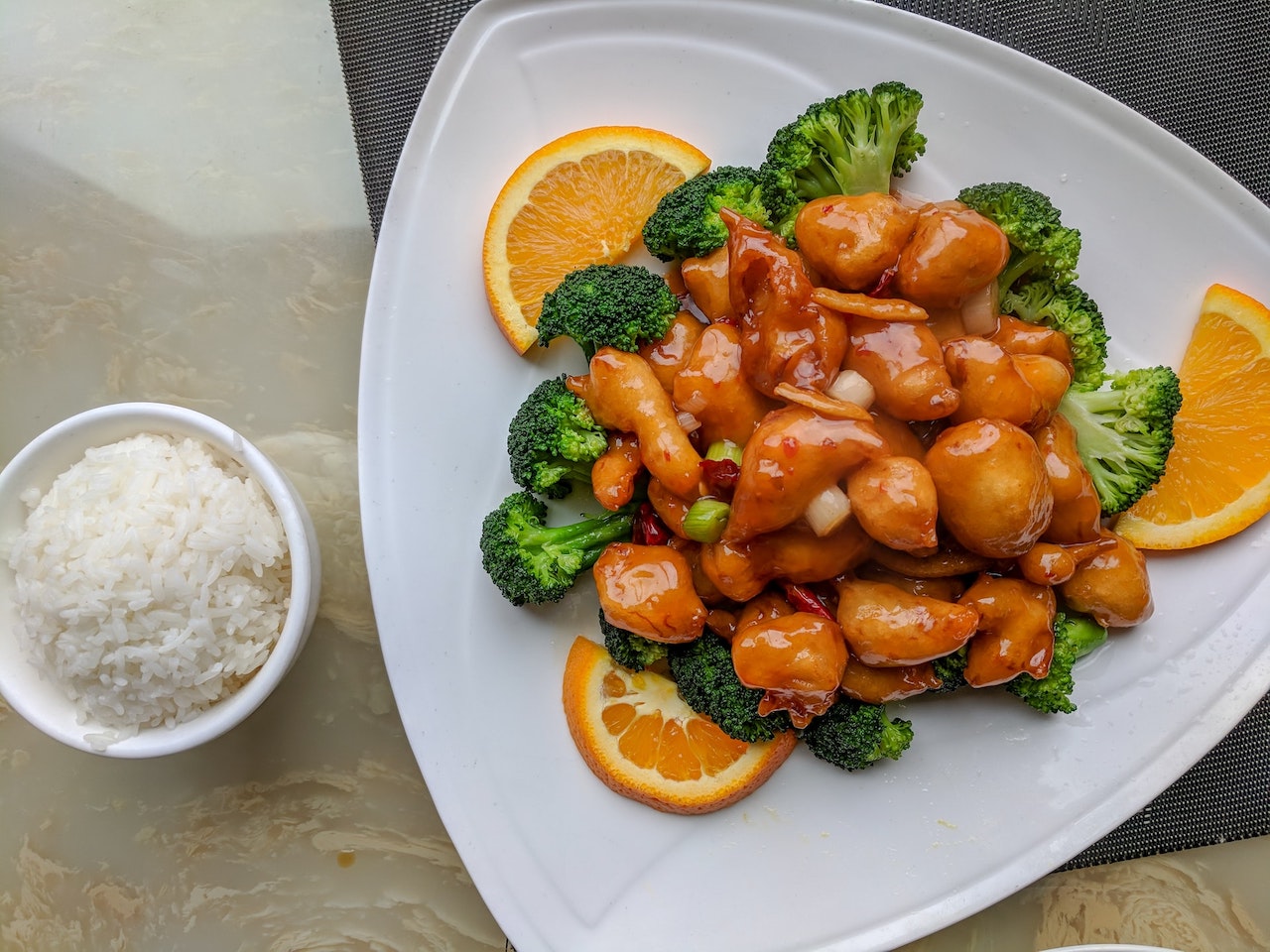
China's vast geography has given rise to a diverse array of regional cuisines, each with its own unique characteristics. Sichuan cuisine, known for its bold, spicy flavors, relies heavily on Sichuan peppercorns, which create a tingling sensation on the tongue. Mapo tofu and Kung Pao chicken are quintessential Sichuan dishes.
Cantonese cuisine, originating from Guangdong province, emphasizes freshness and natural flavors. Steamed dishes, such as dim sum and steamed fish, are popular. Cantonese cooking often utilizes light sauces and minimal spices, allowing the natural flavors of the ingredients to shine.
Hunan cuisine, similar to Sichuan but often spicier, features liberal use of chili peppers and smoked ingredients. Red braised pork and Chairman Mao's red-braised pork are iconic Hunan dishes. Shandong cuisine, known for its seafood and braised dishes, is another important regional style. Peking duck, a famous Shandong dish, is a testament to the region's culinary prowess.
Exploring these regional specialties provides a deeper understanding of Chinese culinary traditions. Each region's unique ingredients and cooking techniques offer a diverse and exciting culinary journey.
Perfecting Dumplings and Noodles: A Step-by-Step Guide
Handmade Delights
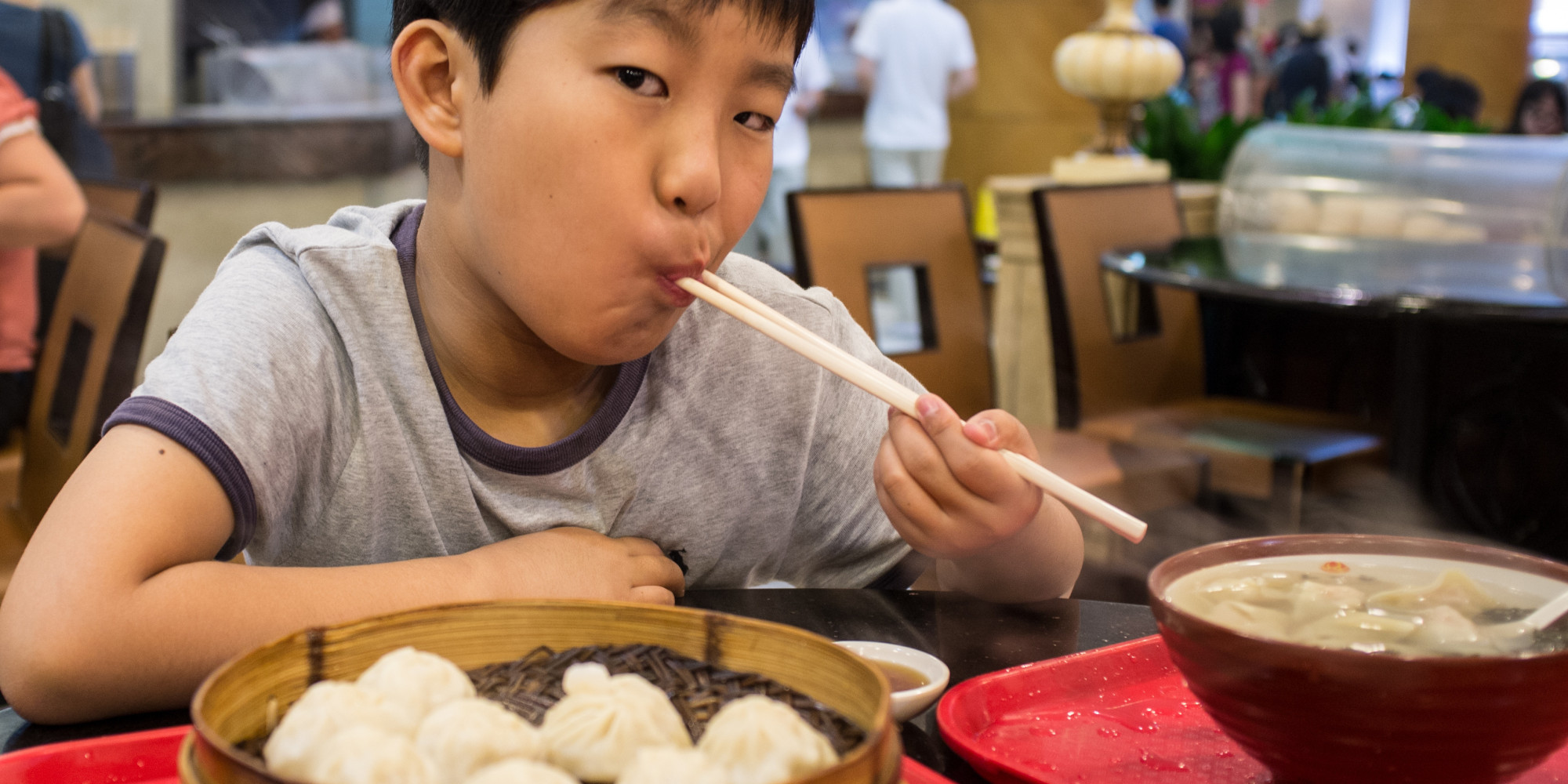
Dumplings, a beloved staple of Chinese cuisine, can be steamed, boiled, or pan-fried. Making them from scratch is a rewarding experience, allowing for customization of fillings and shapes. The key to perfect dumplings lies in the dough, which should be smooth and elastic. Practice makes perfect when it comes to folding and sealing the dumplings.
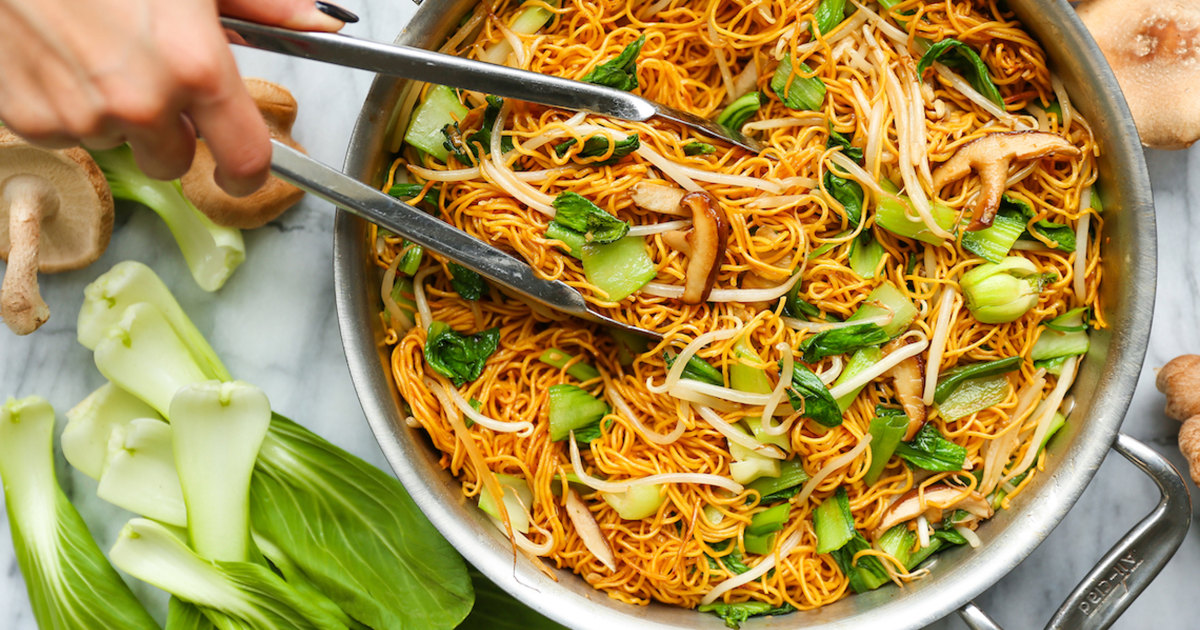
Noodles, another essential element of Chinese cooking, come in a variety of shapes and sizes. From hand-pulled noodles to thin rice noodles, each type lends itself to different dishes. Mastering the art of making fresh noodles is a challenging but fulfilling endeavor. For quicker meals, high quality dried noodles are readily available.
The fillings for dumplings can be endlessly varied, including pork, shrimp, vegetables, or a combination thereof. Seasoning the filling is crucial, ensuring a flavorful and balanced bite. Experiment with different spices and herbs to create your own signature dumpling filling.
When cooking noodles, ensure they are cooked al dente to prevent them from becoming mushy. Rinsing them in cold water after cooking stops the cooking process and prevents sticking. Whether stir-fried, served in a soup, or tossed with a sauce, noodles are a versatile and satisfying component of Chinese meals.
Tips for Healthy Chinese Cooking at Home
Balancing Flavor and Nutrition
Chinese cuisine, with its emphasis on fresh vegetables and lean proteins, can be inherently healthy. However, some dishes may be high in sodium or oil. Opting for lean cuts of meat, using less oil in stir-fries, and controlling the amount of salt and sugar added to sauces can significantly reduce the calorie and sodium content of dishes.
Steaming and boiling are healthy cooking methods that preserve the nutrients in vegetables and proteins. Incorporating a variety of colorful vegetables ensures a balanced intake of vitamins and minerals. Using brown rice instead of white rice adds fiber and nutrients to meals.
Avoid using excessive amounts of deep-fried foods. Instead, explore stir-frying, steaming, or pan-frying techniques. This reduces the intake of unhealthy fats. Opt for homemade sauces rather than store-bought versions, which often contain high levels of sodium and sugar.
Adding more vegetables and less meat to your meals helps to balance the meal. Try adding a side of steamed greens to your meal. Also, watch the amount of oil you use, and use healthy oils like sesame or peanut oil in small amounts.
FAQ: Common Questions About Cooking Chinese Meals
Your Culinary Queries Answered
Q: What is the best type of wok to use?
A: A carbon steel wok is generally considered the best choice for stir-frying due to its ability to retain heat and develop a non-stick patina. However, a cast iron wok is also a great option.
Q: How do I season a wok?
A: Heat the wok over high heat until it turns blue, then rub it with a high-smoke-point oil, such as peanut oil. Repeat this process several times until a dark, non-stick patina develops.
Q: Can I substitute ingredients in Chinese recipes?
A: Yes, substitutions are possible, but it's important to understand the role of each ingredient. For example, you can substitute chicken broth for vegetable broth or rice vinegar for apple cider vinegar, but the flavor profile may change slightly. Shaoxing wine can be substituted with dry sherry.
23 Food Things Only Chineseamerican Kids Would Understand Huffpost
Healthy Chinese Food Recipes How To Cook Real Meals

How To Cook A Chinese Meal For One Recipes All
The Top Six Chinese Takeout Dishes Hungry Partier
Need Dinner Inspiration? Try These 4 Chinese Takeout Dishes You Can


No comments:
Post a Comment