
Navigating the Storm: Effective Strategies for Treating an Upset Stomach
An upset stomach, that unwelcome guest, can disrupt even the most meticulously planned day. It's a common affliction, a symphony of discomfort that can range from mild nausea to debilitating cramps. Understanding how to address this issue effectively is crucial for maintaining your well-being. This article will provide a comprehensive guide to treating an upset stomach, drawing on expert advice and practical remedies.
The human digestive system, while robust, is also remarkably sensitive. A myriad of factors, from dietary indiscretions to viral infections, can trigger an upset stomach. Recognizing the symptoms – nausea, vomiting, bloating, and abdominal pain – is the first step towards finding relief. It's important to remember that self-treatment is appropriate for mild cases, but persistent or severe symptoms warrant professional medical attention.
Let's be honest, nobody enjoys the feeling of their stomach doing the tango. It's like your internal organs are having a disagreement and you're the mediator who's getting the brunt of it. So, how do we restore peace and harmony? The answer lies in a combination of dietary adjustments, home remedies, and, when necessary, medical intervention.
This article aims to provide a reliable and actionable guide, helping you navigate the turbulent waters of an upset stomach with confidence. We'll delve into practical strategies, debunk common myths, and offer insights that empower you to take control of your digestive health.
Understanding the Culprits: Common Causes of Stomach Upset
Before diving into treatment, it's essential to understand the potential causes of an upset stomach. Overeating, consuming spicy or fatty foods, and food poisoning are frequent culprits. Viral gastroenteritis, commonly known as the stomach flu, can also lead to significant discomfort. Stress and anxiety, often overlooked, can also manifest as digestive disturbances. Certain medications and underlying medical conditions can also play a role.
Food intolerances, such as lactose intolerance or gluten sensitivity, can also trigger digestive upset. These intolerances occur when the body struggles to digest specific food components, leading to symptoms like bloating, gas, and abdominal pain. Identifying and avoiding these trigger foods is crucial for managing symptoms.
The modern lifestyle, with its emphasis on processed foods and irregular eating habits, can significantly impact digestive health. Poor dietary choices can disrupt the delicate balance of gut bacteria, leading to inflammation and discomfort. Proper hydration, balanced meals, and mindful eating are essential for maintaining a healthy gut.
It is important to understand that an upset stomach can be a symptom of a more serious underlying condition. If you experience persistent or severe symptoms, such as bloody stools, severe abdominal pain, or high fever, seek medical attention immediately. Self-diagnosis and self-treatment can be risky, and professional medical advice is always recommended when in doubt.
Home Remedies: Gentle Solutions for Soothing Discomfort
The BRAT Diet: A Gentle Approach to Recovery
The BRAT diet, consisting of bananas, rice, applesauce, and toast, is a classic remedy for an upset stomach. These foods are bland, easy to digest, and can help bind the stool, reducing diarrhea. Bananas are rich in potassium, which can help replenish electrolytes lost during vomiting or diarrhea. Rice and toast provide easily digestible carbohydrates for energy. Applesauce is a good source of pectin, a fiber that can help soothe the digestive tract.
Staying hydrated is crucial when dealing with an upset stomach. Clear liquids, such as water, clear broths, and electrolyte solutions, can help replace fluids lost due to vomiting or diarrhea. Avoid sugary drinks, as they can exacerbate symptoms. Sip on liquids slowly and frequently to prevent further irritation.
Ginger, known for its anti-nausea properties, can be consumed in various forms, such as ginger ale, ginger tea, or ginger candies. Peppermint, another natural remedy, can help relax the stomach muscles and relieve bloating. A warm compress applied to the abdomen can also provide soothing relief from cramps.
Rest is essential for allowing your body to recover. Avoid strenuous activities and allow yourself ample time to rest. Stress can exacerbate symptoms, so practice relaxation techniques, such as deep breathing or meditation. A calm and relaxed environment can help promote healing and reduce discomfort.
Hydration and Electrolyte Replenishment
Vomiting and diarrhea can lead to significant fluid and electrolyte loss, which can further exacerbate symptoms. Replenishing these lost fluids and electrolytes is crucial for preventing dehydration and promoting recovery. Oral rehydration solutions, available at most pharmacies, are specifically formulated to replace lost electrolytes. Clear broths and herbal teas can also help restore fluid balance.
Plain water is essential for hydration, but it may not be sufficient to replace lost electrolytes. Electrolyte-rich drinks, such as coconut water or sports drinks, can help restore electrolyte balance. However, choose drinks with low sugar content to avoid further irritation. Sip on liquids slowly and frequently, rather than gulping them down, to prevent further nausea.
Dehydration can lead to various symptoms, including dizziness, lightheadedness, and fatigue. Monitoring your hydration levels is crucial for preventing complications. Pay attention to the color of your urine; dark urine indicates dehydration. If you experience severe dehydration symptoms, seek medical attention immediately.
Avoid caffeinated and alcoholic beverages, as they can further dehydrate the body and irritate the stomach. Opt for clear, non-caffeinated liquids to promote hydration and soothe the digestive tract. Proper hydration is a cornerstone of recovery from an upset stomach.
Dietary Adjustments: What to Eat and What to Avoid
Bland Foods: The Key to Gentle Digestion
When dealing with an upset stomach, it's crucial to choose foods that are easy to digest and gentle on the stomach. Bland foods, such as plain rice, toast, and boiled potatoes, are excellent options. Avoid spicy, fatty, and acidic foods, as they can irritate the stomach lining and exacerbate symptoms. Small, frequent meals are often better tolerated than large meals.
Probiotics, found in yogurt and fermented foods, can help restore the balance of gut bacteria and promote digestive health. However, choose plain, unsweetened yogurt and introduce probiotics gradually to avoid further irritation. Cooked vegetables, such as carrots and green beans, can provide essential nutrients without irritating the stomach.
Avoid dairy products, except for plain yogurt, as they can be difficult to digest and may exacerbate symptoms. Opt for lactose-free alternatives if you have lactose intolerance. Limit your intake of sugary foods and drinks, as they can contribute to bloating and gas. Choose natural sweeteners, such as honey or maple syrup, in moderation.
Listen to your body and avoid foods that trigger your symptoms. Keep a food diary to identify potential trigger foods and make necessary dietary adjustments. A balanced and mindful approach to eating can significantly improve digestive health and prevent future episodes of upset stomach.
Foods to Avoid: Triggers for Digestive Distress
Certain foods are known to trigger digestive distress and should be avoided when dealing with an upset stomach. Fatty and greasy foods, such as fried foods and processed snacks, can be difficult to digest and may exacerbate symptoms. Spicy foods, such as chili peppers and hot sauces, can irritate the stomach lining and lead to heartburn and indigestion.
Acidic foods, such as citrus fruits and tomatoes, can also irritate the stomach and worsen symptoms. Limit your intake of caffeine and alcohol, as they can stimulate the production of stomach acid and contribute to digestive discomfort. Carbonated beverages can also lead to bloating and gas, so opt for plain water or herbal teas.
Processed foods, often high in sugar, salt, and unhealthy fats, can disrupt the balance of gut bacteria and lead to inflammation. Choose whole, unprocessed foods whenever possible. Artificial sweeteners can also trigger digestive upset in some individuals, so read food labels carefully and avoid products containing artificial sweeteners.
Individual food sensitivities can vary, so pay attention to how your body reacts to different foods. Keep a food diary to track your symptoms and identify potential trigger foods. A personalized approach to dietary adjustments can significantly improve digestive health and prevent future episodes of upset stomach.
When to Seek Medical Attention: Recognizing Red Flags
Persistent or Severe Symptoms: When to Consult a Doctor
While most cases of upset stomach resolve on their own with home remedies, certain symptoms warrant medical attention. Persistent vomiting or diarrhea, lasting more than 24 hours, can lead to dehydration and other complications. Severe abdominal pain, bloody stools, or high fever are also red flags that require immediate medical evaluation. If you experience these symptoms, seek professional medical advice promptly.
Dehydration can be a serious complication of an upset stomach, especially in children and the elderly. Signs of dehydration include dizziness, lightheadedness, decreased urination, and dry mouth. If you suspect dehydration, seek medical attention immediately. Untreated dehydration can lead to serious health problems.
If you have underlying medical conditions, such as diabetes or inflammatory bowel disease, consult your doctor before attempting self-treatment. Certain medications and medical conditions can increase the risk of complications from an upset stomach. A healthcare professional can provide personalized advice and treatment options.
Don't hesitate to seek medical attention if you're concerned about your symptoms. Early intervention can prevent complications and promote faster recovery. A healthcare provider can diagnose the underlying cause of your upset

How To Treat Upset Stomach In Dogs, Including Home Remedies Superb Dog

Upset Stomach 7 Natural Remedies

Pin On Dog Health Tips
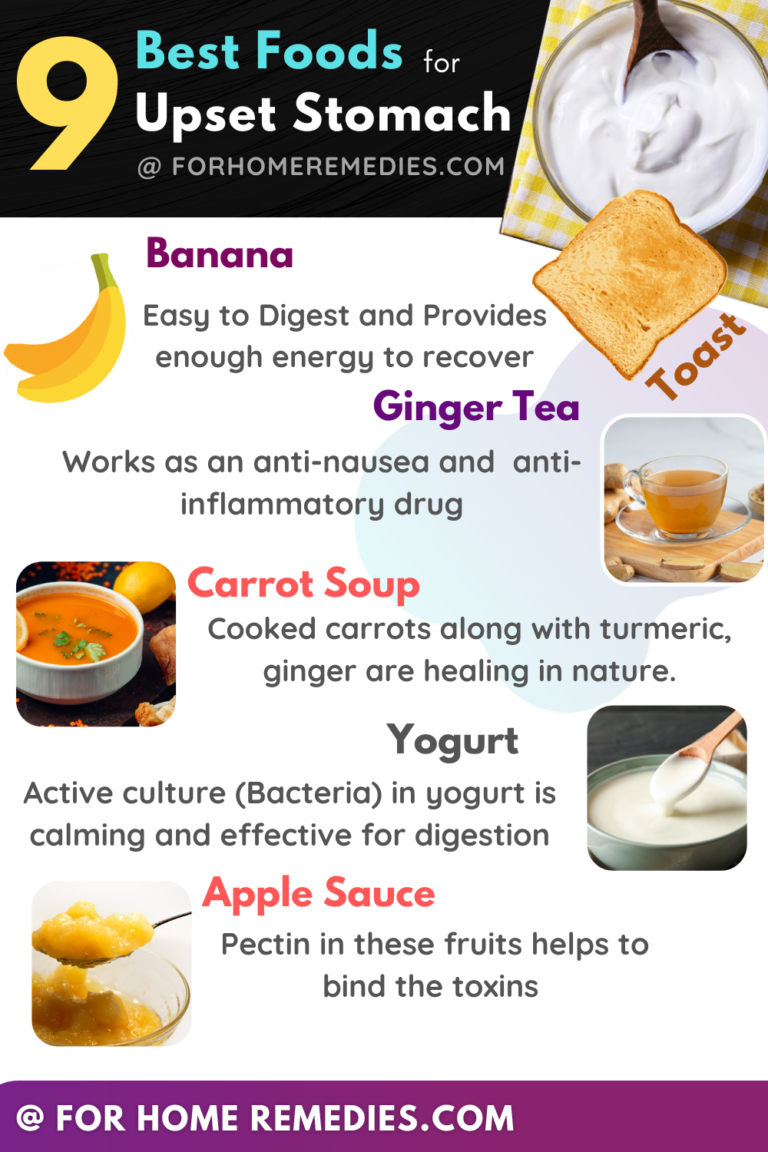
9 Best Foods For Upset Stomach Soothing Home Remedies Forhomeremedies

Pumpkin For Dogs Tips Treating An Upset Stomach


No comments:
Post a Comment