
Crafting the Perfect Lab Design: A Methodical Approach
Designing a laboratory isn't merely about arranging equipment; it's a strategic process that impacts efficiency, safety, and the overall quality of research. Think of it as building a house, but instead of cozy bedrooms, you're creating spaces for groundbreaking discoveries. We're here to guide you through the essential steps, ensuring your lab is not just functional, but also a hub of innovation.
The initial phase involves a thorough needs assessment. What type of research will be conducted? What equipment is required? How many personnel will be working in the space? These questions are fundamental to creating a tailored design. Ignoring these factors can lead to costly revisions later, like realizing you built a garage without considering the size of your car. Trust us, it’s a common, if frustrating, mistake.
Consider the workflow. A well-designed lab promotes smooth movement and minimizes cross-contamination. This means strategically placing equipment and work areas to optimize the flow of materials and personnel. Imagine a bakery where the oven is next to the flour storage – logical, right? The same principle applies to your lab. You wouldn’t want your sensitive equipment next to the noisy, vibrating centrifuges, would you?
Flexibility is also key. Research evolves, and so should your lab. Incorporating modular furniture and adaptable layouts allows for future modifications without major renovations. This foresight saves time and money, and prevents you from feeling like you're stuck in a lab built for a bygone era. It's like planning for future renovations when you first buy a house, you don't know when you will need it, but you will be glad you did.
Defining Your Lab's Purpose and Scope
Before putting pen to paper (or mouse to CAD software), clarify the lab’s primary function. Is it a research lab, a testing facility, or a teaching lab? Each type has unique requirements. A research lab might prioritize advanced equipment and data analysis capabilities, while a teaching lab might focus on student accessibility and safety. It's like choosing the right tool for the job – a hammer won't fix a computer.
Determine the specific disciplines that will be housed in the lab. Chemistry, biology, physics, or a combination? Each discipline has its own set of safety protocols and equipment needs. A chemistry lab, for instance, requires robust ventilation systems and specialized storage for hazardous materials. Don’t mix up your beakers with your petri dishes, or you might have a very interesting, yet potentially dangerous, experiment.
Evaluate the volume of work and the number of personnel. Will the lab be handling high-throughput experiments or small-scale research? Will it accommodate a large team or a few individuals? These factors influence the size and layout of the lab, as well as the necessary infrastructure. A cramped lab can stifle creativity and productivity, while an overly spacious lab can be inefficient.
Consider future expansion. Anticipate growth and plan for scalability. Incorporating flexible design elements and allowing for future additions ensures that your lab can adapt to changing needs. It's better to have a little extra space than to find yourself needing to knock down walls later on. Planning ahead ensures that your lab remains relevant and efficient for years to come.
Essential Safety Considerations in Lab Design
Prioritizing Safety from the Ground Up
Safety is paramount in any lab environment. Start by identifying potential hazards and implementing appropriate safety measures. This includes proper ventilation, fire suppression systems, and emergency exits. Think of it as building a fortress – you need strong defenses against potential threats. A well-placed fire extinguisher can be the difference between a minor incident and a major catastrophe.
Ensure compliance with all relevant safety regulations and standards. This may involve consulting with safety experts and conducting risk assessments. Regulations are there for a reason, and ignoring them can lead to serious consequences. It's like following traffic laws – they keep everyone safe. You don't want to find yourself in a lab equivalent of a multi-car pileup.
Designate specific areas for handling hazardous materials and waste disposal. This includes proper storage, labeling, and disposal procedures. A well-organized hazardous materials area minimizes the risk of accidents and ensures compliance with environmental regulations. Imagine trying to find a needle in a haystack, except the needle is a vial of toxic chemicals. Not a fun scenario.
Provide adequate personal protective equipment (PPE) and ensure that all personnel are trained in its proper use. This includes lab coats, gloves, eye protection, and respirators. Proper training and equipment are essential for preventing injuries and illnesses. It's like wearing a seatbelt – it's there to protect you when you need it most. You wouldn’t ride a motorcycle without a helmet, would you?
Selecting the Right Equipment and Infrastructure
Matching Equipment to Your Lab's Needs
Choose equipment that aligns with the specific research or testing activities conducted in the lab. This includes everything from basic lab supplies to specialized instruments. Consider factors such as accuracy, reliability, and ease of use. You don't need a supercomputer to run a simple spreadsheet, right? Similarly, choose equipment that matches the complexity of your work.
Evaluate the infrastructure requirements for each piece of equipment. This includes power, water, gas, and ventilation. Ensure that the lab’s infrastructure can support the demands of the equipment. Imagine plugging in a high-powered device and blowing a fuse – not ideal. Proper planning prevents these kinds of headaches.
Consider the ergonomics of the equipment and workstations. This includes adjustable workstations, comfortable seating, and proper lighting. Ergonomics can significantly impact productivity and prevent injuries. A comfortable workspace promotes focus and efficiency, and prevents you from feeling like you just ran a marathon after a day at the lab.
Plan for maintenance and calibration of equipment. Regular maintenance ensures that equipment operates at peak performance and prolongs its lifespan. It's like taking your car in for regular oil changes – it keeps it running smoothly. Neglecting maintenance can lead to costly repairs and downtime. You don’t want your expensive equipment to become a fancy paperweight, do you?
Optimizing Workflow and Layout
Creating an Efficient and Functional Space
Design the lab layout to minimize travel distances and optimize workflow. This involves placing frequently used equipment and workstations in close proximity. A well-organized layout reduces wasted time and effort. It's like arranging your kitchen for efficient cooking – you want everything within easy reach.
Create dedicated areas for specific activities, such as sample preparation, analysis, and data storage. This segregation minimizes cross-contamination and ensures that each activity has its own dedicated space. Imagine trying to conduct sensitive experiments in a crowded, disorganized space – chaos would ensue. Dedicated areas bring order to the chaos.
Incorporate flexible and modular furniture and workstations. This allows for easy reconfiguration of the lab layout as needs change. Flexibility is key to adapting to evolving research requirements. It's like having furniture that can be rearranged for different occasions – you can adapt to any situation.
Ensure adequate storage space for supplies, equipment, and samples. This includes shelving, cabinets, and freezers. A well-organized storage system prevents clutter and ensures that everything is easily accessible. Imagine trying to find a specific sample in a disorganized freezer – not a pleasant task. Proper storage prevents these kinds of frustrations.
Budgeting and Project Management
Keeping Your Lab Design Project On Track
Develop a detailed budget that includes all aspects of the lab design project, from equipment and construction to installation and maintenance. This budget should be realistic and account for potential contingencies. It's like planning a vacation – you need to account for all expenses and have a little extra for unexpected costs.
Create a project timeline that outlines key milestones and deadlines. This timeline should be realistic and account for potential delays. A well-managed timeline keeps the project on track and ensures that deadlines are met. It’s like setting a schedule for a big project at work, you have to be organized to meet every deadline.
Select a qualified team of architects, engineers, and contractors with experience in lab design. This team should have a proven track record of delivering successful projects. It's like hiring a skilled chef – you want someone who knows how to create a masterpiece. You wouldn’t hire an amateur to build a bridge, would you?
Establish clear communication channels and regular progress meetings to ensure that all stakeholders are informed and involved. This includes regular updates, progress reports, and problem-solving sessions. Communication is key to preventing misunderstandings and keeping the project on track. It’s like a sports team, everyone needs to be on the same page.
Frequently Asked Questions (FAQ)
Your Questions Answered
Q: How do I determine the appropriate size for my lab?
A: Start by assessing your current and future needs, including the number of personnel, equipment, and experiments. Consider the type of research being conducted and the required workflow. It is better to have space to grow, than to be cramped from the start.
Q: What are the key safety considerations for a chemistry lab?
A: Proper ventilation, dedicated storage for hazardous materials, fire suppression systems, and emergency eyewash stations are
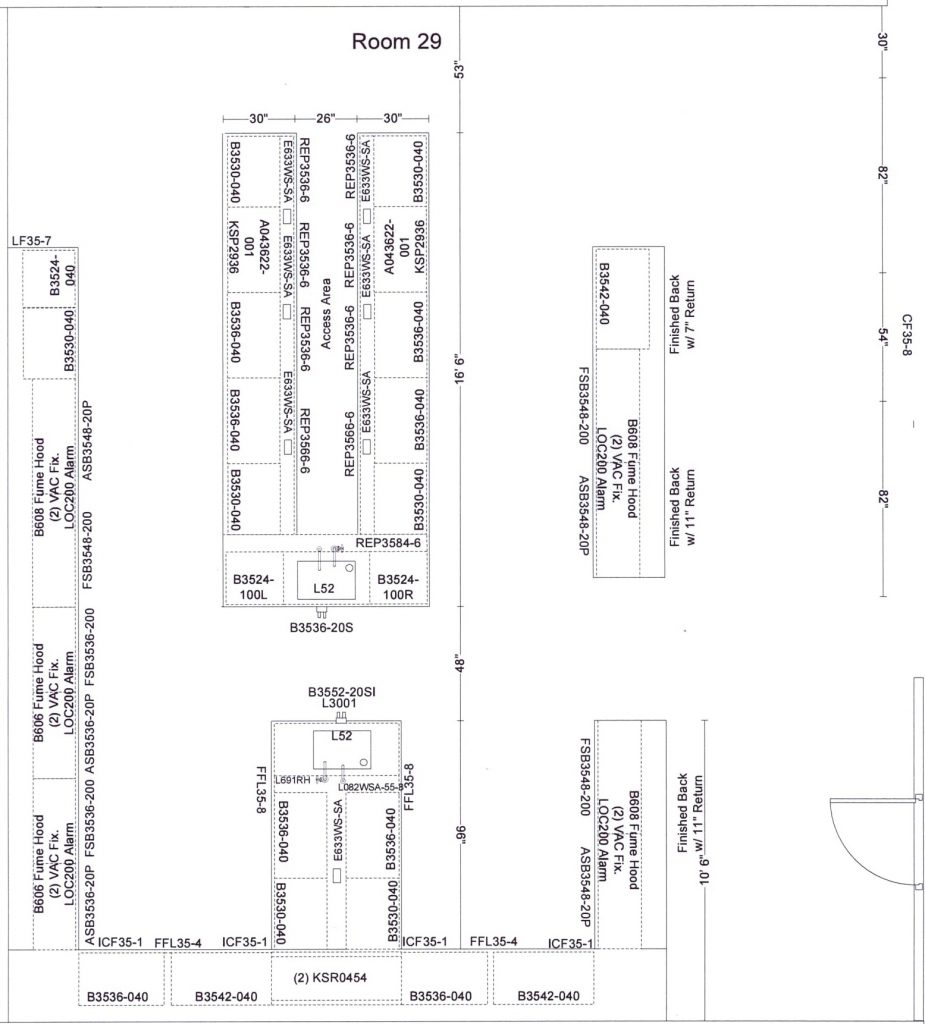
Laboratory design Services Loc Scientific

Jove Science Education > Lab Chem

Technology In Modern Lab Design Kewaunee International Group

Lab Write Up

How To Write A Lab Report Reports Describe Your Experiment


No comments:
Post a Comment